Reading Time: 6 minutes
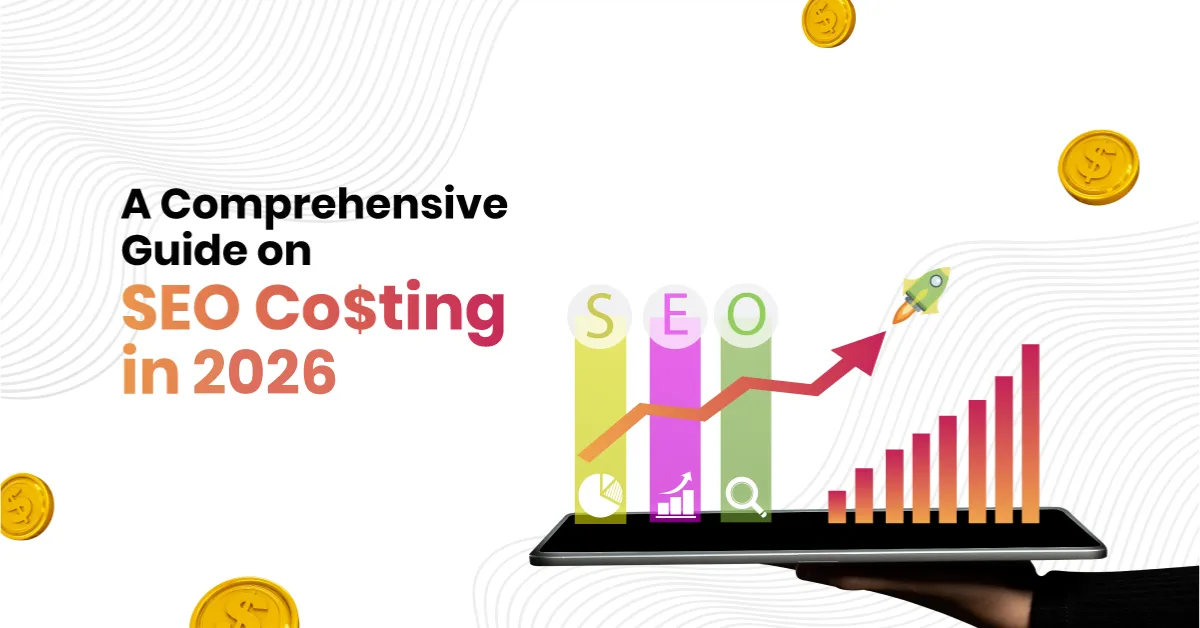
Search engine optimization services are no longer just about improving rankings. In 2026, SEO is a business growth system that converts online visibility into scalable, predictable revenue. For US-based companies, SEO has moved from a tactical marketing activity to a long-term investment tied directly to organic traffic, lead quality, and sustainable growth.
Business owners today ask smarter questions. How much does SEO cost? Why do SEO prices vary so widely? What is a fair SEO budget for 2026? And most importantly, how do SEO services actually impact business results?
At Varun Digital Media, we work closely with US businesses that want clarity around SEO pricing and performance. From startups building their first SEO strategy to enterprises managing complex SEO investments, our approach stays grounded in transparency, data, and measurable outcomes. This guide breaks down SEO costs in 2026, pricing models, influencing factors, and how to invest wisely without overpaying or underperforming.
Table of Contents
What Is SEO and Why Is the Cost Worth It in 2026
Search engine optimization is the process of improving how your website appears across search engine results pages when users actively search for solutions. But modern SEO is no longer limited to keyword placement or backlinks. In 2026, SEO blends technical performance, content relevance, user experience, and conversion optimization into one connected system.
When businesses look at search engine optimization costs, they often focus on monthly fees. The real value of SEO comes from compounding returns. Organic traffic does not stop when budgets pause, unlike paid advertising. Over time, a well-executed SEO strategy builds authority, improves trust with search engines, and creates a steady pipeline of qualified traffic.
SEO supports long-term visibility, reduces dependency on ads, and strengthens brand credibility. That is why SEO remains one of the most cost-effective digital marketing channels when executed correctly.
What Factors Influence SEO Costs in the US
SEO pricing varies because no two businesses face the same challenges. A small local service provider and a national eCommerce brand require very different SEO efforts, even if both want better search rankings.
One of the biggest factors affecting SEO costs is business size and competition. Highly competitive industries such as SaaS, finance, healthcare, and eCommerce require deeper keyword research, stronger content creation, and more aggressive link building. This naturally increases SEO investment.
Another key factor is the scope of work. SEO services cost increases with the number of pages optimized, the complexity of keyword targeting, technical SEO depth, and ongoing content creation needs. More pages, more keywords, and more competition require more resources.
The SEO provider also plays a significant role. Reputable SEO agencies invest in skilled SEO professionals, advanced SEO tools, and ethical practices. Cheaper SEO providers often reduce costs by skipping technical optimization or using risky shortcuts that hurt long-term performance.
Geographic targeting also matters. Local SEO services generally cost less than national or international SEO campaigns, which demand broader authority and stronger backlink profiles.
SEO Pricing Models Explained for 2026
SEO agencies typically offer pricing models based on how ongoing and complex the work needs to be. Choosing the right pricing model helps align SEO efforts with business goals.
Monthly SEO services are the most common choice for US businesses. Monthly retainers support continuous optimization, content creation, link building, and performance monitoring. This model works best for companies focused on sustainable organic growth.
In 2026, monthly SEO pricing in the US generally varies by business size and campaign complexity. Small businesses usually invest at a lower monthly level, mid-sized companies allocate a moderate ongoing SEO budget, and enterprise SEO campaigns require a significantly higher, long-term investment to compete effectively.
Project-based SEO pricing works well for businesses with defined, short-term requirements such as SEO audits, website migrations, or focused technical improvements. Costs vary based on scope, site complexity, and depth of analysis rather than a fixed price range.
Hourly SEO consulting is ideal for teams that need strategic direction or expert oversight without full execution support. Pricing is typically influenced by the consultant’s experience, specialization, and the level of involvement required.
Performance-based pricing exists, but should be approached carefully. SEO success should be measured by traffic quality, conversions, and revenue impact—not just keyword rankings.
Technical SEO and Link Building: Why They Increase SEO Costs
Technical SEO forms the foundation of every successful SEO campaign. It ensures your website loads quickly, works smoothly on mobile devices, and can be easily crawled and understood by search engines. Without strong technical optimization, even high-quality content struggles to rank.
Link building supports authority and trust. High-quality backlinks from relevant sources signal credibility to search engines and improve search engine rankings. Ethical link building requires research, outreach, and ongoing relationship management, which increases SEO services cost but protects long-term performance.
Low-cost SEO services often avoid technical SEO or use poor-quality links. These shortcuts may deliver temporary gains but often lead to ranking drops or Google penalties. Higher SEO costs usually reflect deeper expertise, safer strategies, and long-term stability.
Local SEO, E-commerce SEO, and Enterprise SEO Cost Differences
Local SEO focuses on improving visibility within a specific city or service area. It typically includes Google Business Profile optimization, local citations, review management, and map pack visibility. Because the competition is limited to a defined geographic area, local SEO usually requires a lower overall investment compared to broader campaigns.
In the US, local SEO budgets are generally more accessible for small and service-based businesses. The effort and cost are influenced by local competition, the number of locations targeted, and how aggressively a business wants to appear in local search results.
E-commerce SEO is significantly more complex due to scale. It involves optimizing large numbers of product and category pages, implementing structured data, managing keyword optimization across thousands of searches, and aligning content with conversion goals. Because of this complexity, e-commerce SEO requires a higher and more sustained investment to remain competitive.
Enterprise SEO supports large websites operating across multiple markets or regions. It demands advanced technical optimization, automation, sophisticated SEO tools, and coordination across marketing, development, and content teams. Enterprise SEO investments are higher because strategies must scale, adapt quickly, and support long-term dominance in competitive search environments.
Why SEO Tools Affect Average SEO Costs
Modern SEO relies heavily on data and advanced tools. Keyword research, technical audits, backlink analysis, and content optimization all depend on professional-grade SEO platforms.
Tools such as SEMrush, Ahrefs, Screaming Frog, and MarketMuse require significant investment. Reputable SEO agencies include these tools as part of their SEO services pricing to ensure accurate insights and faster decision-making.
SEO without proper tools limits visibility into performance. Higher SEO costs often reflect better data, smarter strategies, and more reliable results.

How to Structure Your SEO Budget Smartly
An effective SEO budget starts with clear business goals. Companies should decide whether their priority is improving online visibility, increasing organic traffic, or generating qualified leads.
SEO investment should align with milestones. Monthly SEO services work best when reviewed quarterly, allowing strategies to evolve with performance data and search engine updates.
Rather than asking how cheap SEO can be, businesses should focus on how SEO supports long-term growth. Sustainable SEO plans evolve as algorithms, competitors, and customer behavior change.
In-House SEO vs Consultant vs SEO Agency
An in-house SEO team offers direct control but comes with higher hiring, training, and tool costs. One SEO specialist rarely covers technical SEO, content creation, analytics, and link building equally well.
An SEO consultant provides strategic insight and works well for smaller teams, but may lack execution capacity.
An SEO agency delivers full-service execution, advanced tools, and scalable expertise. For most US businesses focused on growth, agencies provide the best balance between cost, performance, and reliability.
Common SEO Pricing Mistakes to Avoid
Many businesses choose SEO services based on price alone. This often leads to unclear strategies, weak reporting, and risky practices that harm long-term search performance.
Cheap SEO services frequently rely on thin content, poor backlinks, or automation without strategy. These approaches reduce trust with search engines and damage organic traffic over time.
SEO pricing should always be tied to transparency, reporting, and measurable business outcomes.
Conclusion
SEO pricing in 2026 reflects strategy, expertise, and long-term value rather than shortcuts or quick wins. Businesses that treat SEO as a growth investment gain stronger search rankings, predictable organic traffic, and sustained visibility.
At Varun Digital Media, we partner with US businesses to build SEO strategies that align directly with business outcomes. From SEO budgeting to execution and performance tracking, our approach focuses on clarity, accountability, and sustainable growth.
If you are evaluating SEO costs for 2026, choose a partner that prioritizes results over promises—because real SEO success is built with strategy, not guesses.
Plan SEO Investment for 2026
Get clarity on SEO pricing, budgeting, and ROI with a strategy built for sustainable US market growth.
Frequently Asked Questions
1. How much does SEO cost in the US in 2026?
In 2026, SEO costs in the US vary widely based on business needs and the competitive landscape. Monthly investment levels depend on factors such as industry competition, website size, strategy depth, and whether the SEO effort includes technical optimization, content creation, and ongoing link-building support.
2. Why do SEO prices vary so much between agencies?
SEO pricing varies due to differences in experience, tools, and execution quality. Reputable SEO agencies invest in advanced tools, skilled professionals, and ethical strategies, while cheaper providers often cut corners, increasing long-term risk and limiting sustainable organic growth.
3. Is monthly SEO pricing better than one-time SEO projects?
Monthly SEO services support continuous optimization, content updates, and adaptation to search engine changes. One-time SEO projects help with audits or fixes, but they rarely deliver lasting organic traffic or stable search engine rankings on their own.
4. Can small businesses afford professional SEO services?
Yes, small businesses can afford professional SEO by focusing on local SEO services. Targeting specific locations and relevant keywords lowers costs while improving visibility. A focused SEO package helps small businesses compete effectively without unnecessary spending.
5. How do I know if my SEO investment is working?
SEO performance should be measured using organic traffic growth, keyword improvements, conversion rates, and lead quality. Clear reporting, defined KPIs, and regular strategy reviews ensure your SEO investment supports business goals, not just surface-level search rankings.
Published: July 29th, 2025