Reading Time: 5 minutes
Social media has become the primary space where people discover brands, build opinions, and decide what to trust or buy. It is no longer just a place for updates or promotions. In 2026, social media directly shapes brand visibility, customer trust, and long-term business growth.
Every year, social media trends change how people interact online. Some trends disappear quickly, while others reshape the entire social media landscape. Brands that notice these changes early stay visible. Brands that ignore them slowly fade from social feeds.
At Varun Digital Media, we help businesses understand social media trends shaping growth in 2026 and turn those insights into practical, results-focused strategies. This guide explains what is changing, why it matters, and how brands can stay relevant in a fast-moving digital age.
Table of Contents
How Social Media Is Changing in 2026
Social media platforms are no longer only spaces for entertainment. People now use them as search tools, shopping tools, and learning platforms. Many users actively search for brands, reviews, and solutions inside social platforms instead of relying only on traditional search engines.
This shift forces brands to rethink social media marketing. Posting frequently is no longer enough. Content must feel useful, relevant, and aligned with real audience behaviour.
Key shifts shaping the social media landscape include:
- Users actively search content instead of scrolling passively
- Social platforms reward meaningful engagement over empty likes
- Brands compete on relevance rather than posting frequency
- Algorithms prioritise content, solving real user problems
Brands that understand these changes build a lasting competitive advantage.
Short-Form Video Still Dominates Attention
Short-form video remains one of the strongest drivers of social media performance in 2026. Platforms like Instagram Reels, YouTube Shorts, and TikTok continue to succeed because they match how people consume content today.
Attention, however, is harder to earn. Users skip videos that feel copied, overly promotional, or disconnected. Short-form video works best when it delivers one clear idea quickly and honestly.
Why short-form video still drives engagement:
- Matches natural scrolling habits across modern social feeds
- Delivers value quickly without overwhelming viewers
- Appeals strongly to Gen Z audiences and younger users
- Boosts brand visibility through repeated micro-exposures
Successful brands focus on clarity and relevance, not just creativity.
Long-Form Content Builds Trust and Authority
While short videos attract attention, long-form content builds belief. In 2026, brands that rely only on short content struggle to build authority and long-term trust.
Long-form video, detailed posts, and educational content help audiences understand a brand at a deeper level. This matters most when decisions involve money, time, or commitment.
Long-form content supports:
- Deeper understanding of products and services
- Stronger brand loyalty through repeated exposure
- Higher audience engagement through meaningful storytelling
- Better social search visibility and content discovery
The most successful brands balance fast attention with lasting value.
AI-Generated Content Needs Human Direction
AI tools are now part of everyday social media workflows. They help generate captions, visuals, ideas, and performance insights faster than ever. While AI saves time, it cannot replace human understanding.
Audiences quickly sense content that feels robotic or disconnected. Brands must guide AI using context, emotion, and a clear brand voice.
How smart brands use AI tools effectively:
- Use AI for speed, not creative decision-making
- Edit AI outputs to match brand voice
- Combine AI insights with human understanding
- Focus on real connection instead of full automation
AI works best as a partner, not a replacement.
Community Management Is the New Growth Engine
Community management has become central to sustainable growth. Audiences want conversation, not constant promotion. They prefer brands that listen, respond, and show consistency.
Private communities, broadcast channels, and niche groups allow brands to build genuine connections. These spaces encourage active participation and long-term loyalty.
Strong community management includes:
- Listening to audience sentiment through social listening tools
- Encouraging user-generated content and conversations
- Creating private spaces for deeper engagement
- Maintaining brand voice across all interactions
Communities turn followers into advocates.
Brand Consistency Builds Long-Term Recognition
As communities grow, consistency becomes the anchor that keeps brands recognizable. Brand consistency means showing up with the same tone, message, and values across every social interaction.
In 2026, audiences see brands across many platforms. When messaging feels scattered, trust breaks. When messaging stays consistent, recognition strengthens.
Why brand consistency matters for growth:
- Builds stronger brand recall across social platforms
- Creates familiarity that improves audience trust
- Strengthens brand loyalty through repeated exposure
- Supports long-term recognition beyond single campaigns
Consistency turns visibility into memory.
Social Search Is Replacing Traditional Discovery
Social search now plays a major role in how people find content. Users search directly on social platforms for reviews, tips, and product comparisons.
Brands that ignore social SEO lose visibility, even with high-quality content.
How social search improves reach:
- Keyword-rich captions improve discoverability
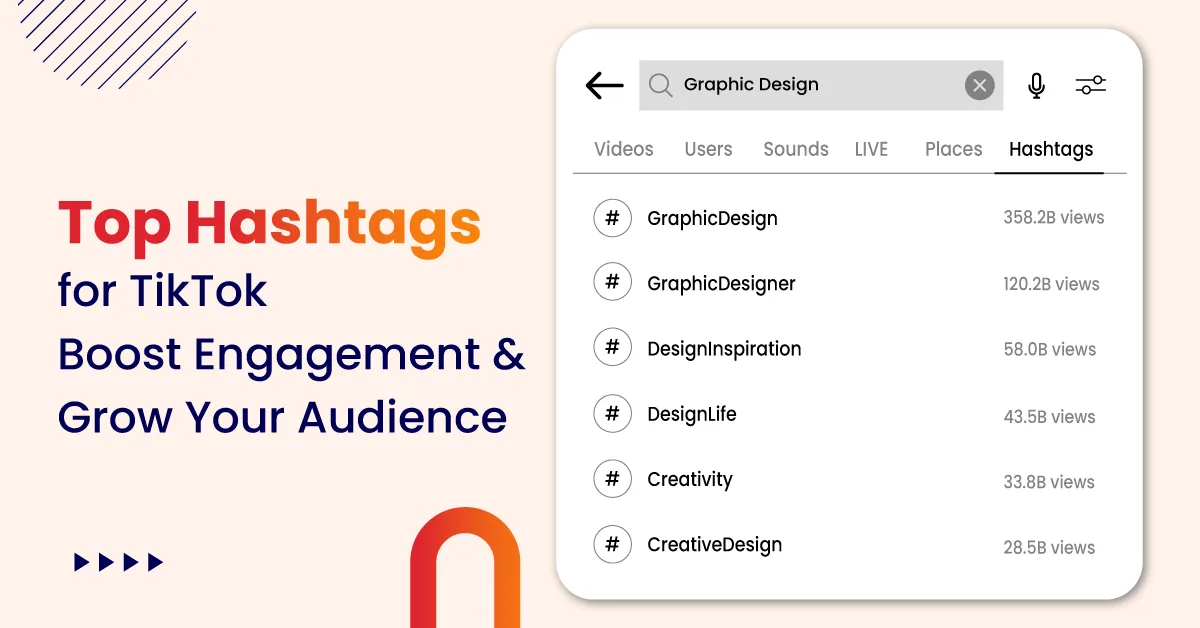
- Relevant hashtags match active searching behaviour
- Clear descriptions align with user queries
- Consistent posting builds algorithm trust
Social media now acts as both a content platform and a search engine.
Social Commerce Drives Action, Not Just Views
Social commerce has moved beyond testing. In 2026, platforms act as complete shopping journeys. Users discover, evaluate, and purchase without leaving the app.
Successful brands sell naturally instead of pushing aggressively.
What makes social commerce effective:
- Educational content builds buyer confidence
- User-generated content strengthens trust
- Simple checkout experiences reduce drop-offs
- Authentic storytelling improves conversion rates
Trust always comes before transactions.
Influencer Marketing Is More Human in 2026
Influencer marketing now focuses on credibility instead of reach. Micro-creators often perform better because their audiences trust them more.
User-generated content continues to shape brand reputation and authenticity.
Why influencer marketing still works:
- Smaller creators feel relatable and honest
- Content reflects real customer experiences
- Engagement rates outperform traditional ads
- Trust builds through long-term collaboration
Authenticity drives influence, not follower count.
Data-Driven Insights Guide Social Strategy
Data now supports every successful social media strategy. Brands focus on audience behaviour, sentiment, and measurable outcomes instead of vanity metrics.
Social listening tools and unified analytics platforms help brands adapt quickly.
Data-driven insights improve:
- Content relevance and posting schedules
- Audience engagement and sentiment tracking
- Campaign optimisation and ROI measurement
- Long-term social media performance planning
Data keeps strategy focused and flexible.
Measuring Social Media Success Beyond Likes
In 2026, success is not measured by likes alone. Brands now track deeper engagement and business impact.
Metrics such as saves, shares, comments, and conversions reveal real audience interest. These insights help brands refine strategy and improve outcomes.
Meaningful success indicators include:
- Audience engagement quality across social feeds
- Website traffic driven from social platforms
- Lead generation and conversion behaviour
- Brand sentiment and long-term loyalty signals
Measuring the right metrics leads to sustainable growth.
Conclusion
Social media trends shaping growth in 2026 place people at the centre, not platforms. Audiences reward brands that communicate clearly, stay consistent, and build meaningful connections.
At Varun Digital Media, we help businesses turn evolving social media trends into sustainable growth strategies. When brands understand audience behaviour and respond with purpose, growth follows naturally.
Social Media Growth Strategy for 2026
Build a clear social media strategy that matches changing audience behaviour, boosts engagement, and supports long-term business growth.
Frequently Asked Questions
1. What social media trends shaping growth in 2026 matter most?
The most important trends include short-form video, long-form content, AI-generated content guided by humans, social search optimisation, strong community management, and social commerce. Together, these trends reflect how audiences discover brands, build trust, and engage consistently.
2. Why is community management important for brand growth?
Community management builds trust through two-way communication. When brands listen and respond consistently, audiences feel valued. This leads to stronger loyalty, higher engagement, and sustainable growth that paid advertising alone cannot achieve over time.
3. How should brands use AI generated content safely?
Brands should use AI tools for speed and planning while keeping humans in control. Human review ensures content stays authentic, relevant, and aligned with brand voice, preventing trust loss or reduced engagement across social platforms.
4. How does social search affect brand visibility?
Social search allows users to find content directly within social platforms. Brands must optimise captions, keywords, and descriptions to match user queries. This improves discoverability and keeps content visible where audiences actively search.
5. How does Varun Digital Media help brands grow on social media?
Varun Digital Media builds data-driven social media strategies focused on genuine engagement, brand consistency, and measurable growth. We help brands adapt to changing behaviours while maintaining authenticity and long-term relevance across platforms.
Published: September 9th, 2025