If you run a neighborhood restaurant in Austin, a dental clinic in Phoenix, or a plumbing company in Chicago, this local seo checklist will help you compete where it matters most, right inside your community’s search results.
This guide doubles as a local search engine optimization checklist, a practical local business seo checklist, and a working local seo audit checklist you can revisit every quarter. Think of it as your operating manual for local visibility in the United States, built around what actually influences rankings in Google Maps and organic search.
Small businesses do not struggle because they lack quality. They struggle because larger brands dominate attention. A structured checklist for local seo closes that gap by focusing on accuracy, relevance, and authority. In this guide, you will learn:
- What to fix first
- How to strengthen your Google Business presence
- Where to focus content and links
- How to track performance properly
Let’s begin with the foundational Local SEO Checklist-
Table of Contents
1. Clarify What You Want to Be Found For
Before opening any SEO tool, define the services you truly want to rank for. Many US small businesses chase broad keywords and miss the intent behind local searches.
Ask yourself:
- What services generate the highest margin?
- What problems trigger urgent searches?
- Are customers searching “near me” or including city names?
- Do they search on mobile during emergencies or at home while researching options?
A landscaping company in Dallas may want visibility for “sprinkler repair near me” instead of just “landscaping services.” A pediatric clinic in Denver may benefit more from “same day pediatric appointment” than “children’s doctor.”
This clarity shapes your keyword mapping and prevents wasted effort.
2. Run a Local SEO Audit Checklist
Before improving visibility, clean up structural issues. A proper local seo audit checklist focuses on crawlability, speed, and indexing.
Technical Audit Checklist
- Set up and verify Google Search Console
- Review Page Indexing report
- Analyze Core Web Vitals
- Confirm HTTPS security
- Check Manual Actions
- Inspect Security Issues
- Validate XML sitemap
- Scan for crawl and redirect errors
Use the following technical checklist:
i. Set up Google Search Console properly
Verify domain ownership and confirm that both www and non-www versions are tracked. This ensures complete visibility into indexing and crawl activity.
ii. Review the Page Indexing report
Identify pages that are excluded, crawled but not indexed, or blocked by robots.txt. Fix unintended “noindex” tags and remove duplicate versions of service pages.
iii. Check Core Web Vitals performance
Analyze mobile loading speed, layout shifts, and interaction delays. Slow-loading location pages reduce local visibility and increase bounce rates. Google confirms that Core Web Vitals are a ranking factor for mobile search.
iv. Confirm HTTPS security status
Make sure every page loads securely. Redirect HTTP versions to HTTPS to maintain consistency and user trust.
v. Inspect Manual Actions and Security reports
Look for spam penalties, unnatural link warnings, or malware issues. Resolve these immediately if flagged.
vi. Validate your XML sitemap
Ensure your sitemap includes all active service and location pages. Resubmit it after adding new content so search engines discover updates faster.
vii. Scan for crawl and structural issues
Review broken links, redirect chains, missing meta titles, duplicate content, and structured data errors using a site audit tool.
Use Google Search Console to check indexing status and crawl errors. Look at Page Speed Insights to identify slow-loading pages. Even a one-second delay can reduce conversions for local searches.
Many small business websites look attractive but suffer from technical weaknesses underneath. Fixing these often produces early ranking improvements without new content. Technical audits may not feel exciting, but they protect your entire local search engine optimization checklist from hidden problems that quietly limit rankings.
Need Help Running a Professional Local SEO Audit from Varun Digital?
Many small business websites look fine on the surface but suffer from crawl issues, indexing gaps, duplicate pages, and technical weaknesses that quietly limit rankings.
Varun Digital Media provides in-depth local SEO audits that uncover:
- Hidden technical errors
- Core Web Vitals issues
- Duplicate location pages
- Citation inconsistencies
- Google Business optimization gaps
Our audits prioritize fixes that produce fast visibility improvements.
3. Improve Your On-Page Checklist for Local Pages
Your local business seo checklist must include strong on-page optimization. Each core service page should target one primary local keyword.
Optimize the following:
- Title tag with service + city
- Meta description encouraging calls or visits
- H1 tag aligned with the main keyword
- Clean URL structure
- First paragraph including service and location
- Internal links between related services
If you serve multiple cities, create dedicated location pages instead of stuffing multiple cities into one page. For example, a roofing company serving Houston and Katy should build separate pages for each area.
Add images of your team, storefront, or completed projects. Use descriptive file names like “miami-roof-repair.jpg” instead of generic labels. Clear structure increases relevance signals for search engines and improves trust for visitors.
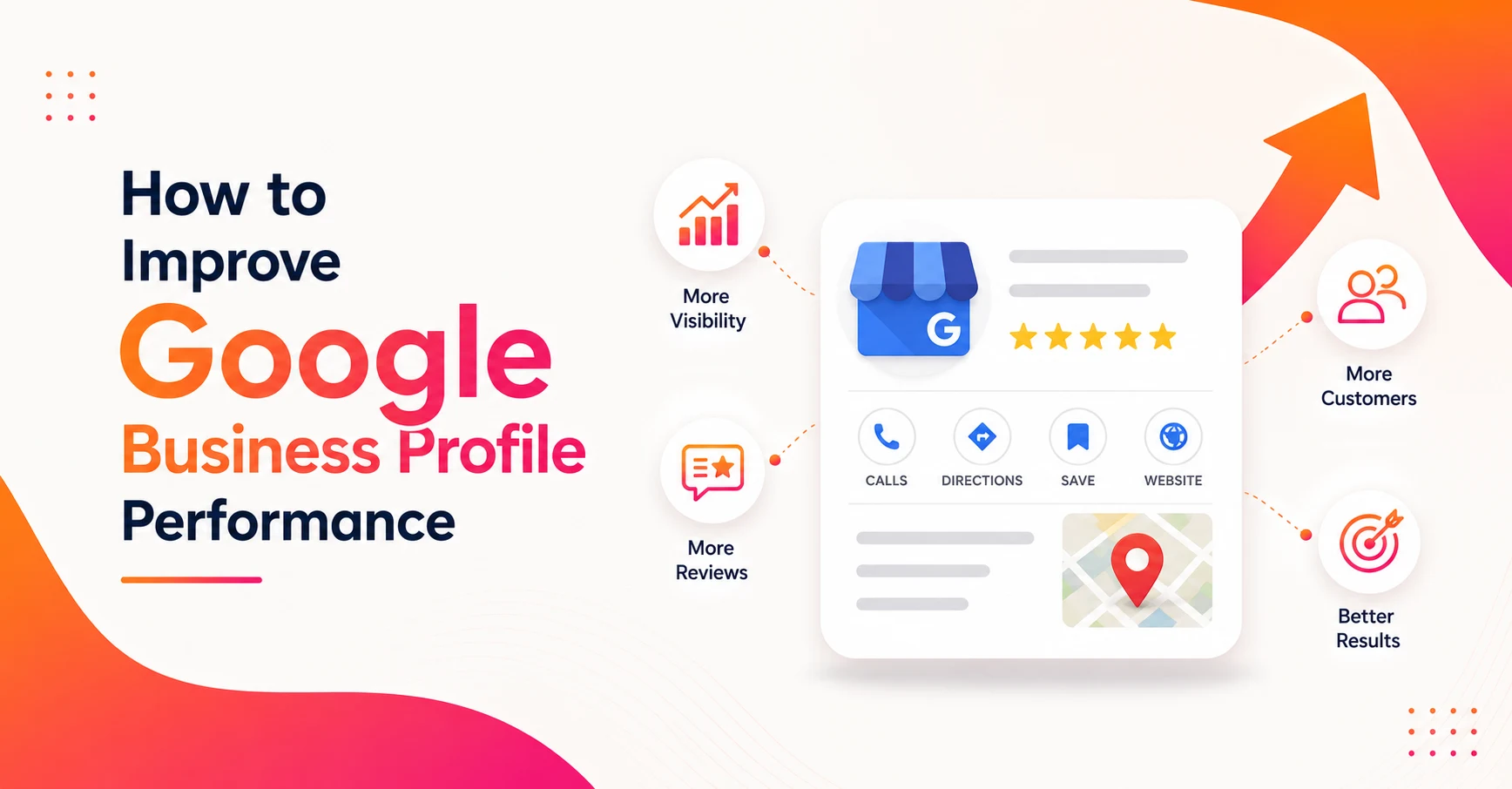
4. Optimize Your Google Business Profile
Your Google Business Profile often determines whether you appear in the map pack. For many US small businesses, this is the most valuable digital asset.
Start with the basics:
- Claim and verify the profile
- Use the exact business name displayed on signage
- Select the correct primary category
- Add business hours
- Include high-quality photos
- Write a detailed service description
Then go further.
- Publish updates about promotions or seasonal services.
- Answer questions in the Q and A section.
- Monitor new reviews weekly.
If you run a bakery in Seattle, show photos of actual baked goods and interior seating. If you operate a law firm in Atlanta, include professional office images and staff profiles. Accurate categories and consistent updates strengthen visibility in local results.
Struggling to Rank in the Google Map Pack?
Google Business optimization is one of the strongest ranking signals for local visibility. But most businesses miss advanced optimization opportunities.
At Varun Digital Media, we:
- Optimize primary and secondary categories
- Improve service descriptions
- Build review acquisition systems
- Manage Q&A and posting strategy
- Improve geo-relevance signals
This directly increases map pack visibility and call volume.
5. Manage Reviews With Intent
Reviews influence both ranking and conversion. They serve as proof when customers compare options.
Your checklist for local seo should include:
- Choosing one primary review platform
- Encouraging customers to leave feedback
- Responding to every review
- Addressing negative feedback professionally
Google reviews remain the priority in most US markets. Still, industry platforms such as Yelp, Healthgrades, or Angi may carry weight depending on your business type. When responding, reference the service provided. Avoid generic replies. A personalized response signals authenticity to future customers.
A steady flow of genuine reviews often separates top-ranking local businesses from those buried below the map pack.
6. Build Consistent Local Citations
Citations are online mentions of your business name, address, and phone number. Inconsistent details confuse search engines and reduce trust.
As part of your local search engine optimization checklist, verify:
- NAP consistency across directories
- Business listings on Yelp, Bing, Apple Maps
- Industry directories
- Local chamber of commerce sites
If your address changes, update every listing immediately. Even small discrepancies, such as “Suite 200” versus “Ste 200,” can cause fragmentation.
Accuracy matters more than quantity.
7. Acquire Local Backlinks From Trusted Sources
Backlinks remain a ranking factor, but for small businesses, local relevance matters more than volume. A restaurant in Nashville benefits more from a link on a Nashville food blog than from a random national directory.
As part of your local seo checklist, prioritize:
- Local news mentions
- Community event sponsorships
- Partnership pages from suppliers
- Local blogger collaborations
- Chamber of commerce listings
Host an event. Sponsor a youth sports team. Offer a scholarship. These activities naturally generate local mentions and links. Before building links, review Google’s spam guidelines. Avoid paid link schemes or mass directory submissions. Quality beats shortcuts every time.
8. Add Local Business Structured Data
Structured data helps search engines interpret business details more clearly. While it does not guarantee rankings, it supports visibility enhancements in search results. Your local seo audit checklist should confirm the presence of:
- LocalBusiness schema
- Business name
- Address
- Phone number
- Business hours
- Geo coordinates
- Service areas
Use JSON-LD format whenever possible. After implementation, test it using Google’s Rich Results Test. If you operate multiple locations, apply structured data separately to each location page. This reduces confusion and improves geographic accuracy.
9. Strengthen Your Content and Links Checklist
Local SEO is not just a technical setup. Ongoing content supports sustained rankings. A practical content & links checklist includes:
- Creating city-specific service pages
- Publishing local blog posts
- Answering common customer questions
- Embedding Google Maps on contact pages
- Adding internal links between related services
For example, an HVAC company in Tampa can publish:
“How to Prepare Your AC for Florida Summer”
“Signs Your AC Needs Replacement in Tampa”
Content that reflects climate, seasonality, or local regulations resonates more with local search intent. Also include visual content. Photos of completed work, storefront exteriors, or your team build credibility. Short videos answering common questions can improve engagement and dwell time.
10. Add Clear NAP Information on Your Website
Your business name, address, and phone number must appear clearly on your website. According to Google’s official documentation, consistent NAP data improves local trust signals.
Single-location businesses should:
- Add NAP details in the footer
- Create a dedicated Contact or Visit Us page
- Embed a Google Map
- List operating hours
Multi-location businesses should:
- Create a unique page per location
- Link to each page from the main navigation
- Include localized content for each city
This strengthens geographic signals and helps users take immediate action.
11. Monitor Your Local SEO Performance
Without tracking, improvements go unnoticed. Your local business seo checklist should include regular monitoring of:
- Google Maps rankings
- Organic keyword rankings
- Google Business Profile views
- Calls and direction requests
- Website traffic by location
Use Google Search Console to track impressions and clicks. Use Google Analytics to review traffic behavior. Monitor your Google Business Profile dashboard for engagement metrics. Monthly reviews help identify drops or gains before they impact revenue.
12. Combine Paid and Organic for Faster Results
Local SEO builds authority over time. Paid search campaigns can generate immediate visibility while organic rankings strengthen.
For example, a new dental clinic in Orlando may run Google Ads for “emergency dentist Orlando” while building long-term organic rankings for the same term. Paid campaigns can also reveal which keywords convert best. That data can inform your organic optimization efforts. Use both channels strategically rather than choosing one over the other.
Summary
A structured local seo checklist helps US small businesses compete where it matters most: within their immediate community.
- Start with technical cleanup.
- Strengthen your on-page signals.
- Optimize your Google Business Profile.
- Build citations and local backlinks.
- Create relevant content.
- Track performance consistently.
Local SEO is not about chasing national rankings. It is about becoming visible when someone nearby needs your service right now. If you apply this checklist step by step, your visibility grows steadily and sustainably.
Why Small Businesses Trust Varun Digital Media for Local SEO
Local visibility is not about random traffic. It is about ranking when someone nearby needs your service immediately.
At Varun Digital Media, we help US small businesses dominate Google Maps and local search results using structured audits, citation control, on-page precision, and authority-building campaigns tailored to your city and industry.
Whether you run a dental clinic, HVAC company, law firm, restaurant, or home services brand, our local SEO frameworks are built to generate:
- More calls
- More direction requests
- More booked appointments
- More walk-in traffic
We focus on measurable business growth, not vanity rankings.
Improve Your Local Rankings
Review your current performance, apply this checklist, and strengthen your presence where customers search first. Discover exactly what’s limiting your Google Maps visibility.
Frequently Asked Questions
1. How often should I run a local SEO audit checklist?
A basic review should be conducted quarterly. Technical checks and citation consistency can be reviewed every three months, while Google Business updates should be monitored weekly. Seasonal businesses may require more frequent adjustments before peak demand periods.
2. Does Google Business Profile matter more than website SEO?
For many local searches, Google Business Profile drives map pack visibility. Still, strong website optimization supports authority and helps you rank in organic results beyond the map pack. Both components work together.
3. How long does local SEO take to show results?
Initial improvements from fixing technical issues may appear within weeks. Stronger ranking movement for competitive local keywords typically develops over three to six months. Consistency determines long-term success.
4. Can I do local SEO myself?
Many checklist items can be handled in-house, such as updating profiles and improving on-page content. Technical audits and structured data implementation may require professional support.
5. How important are local citations for a small business?
Local citations confirm your business details across directories and mapping platforms. Consistent name, address, and phone number signals build trust with search engines.
Inconsistent listings can weaken visibility and confuse potential customers. Accuracy across platforms supports stronger local rankings over time.
6. Should I create separate pages for every city I serve?
If you serve multiple cities, dedicated location pages improve relevance for each area. Each page should include unique content, local references, and accurate contact details.
Avoid duplicating the same content with just a city name change. Search engines prioritize originality and geographic clarity.
7. Do reviews directly impact local search rankings?
Reviews influence both ranking signals and customer decisions. Quantity, quality, and response activity all contribute to visibility in the map pack.
Actively encouraging satisfied customers to leave feedback and responding thoughtfully to reviews strengthens both trust and local search performance.
Published: February 26th, 2026