
Online advertising platforms, internet advertising platforms, and digital marketing platforms are no longer optional tools. They shape how businesses connect, influence, and convert buyers across digital marketing channels.
Online marketing platforms and internet marketing platforms bring structure to how brands appear, communicate, and move prospects from interest to purchase. From a single online ads platform to integrated digital marketing tools and platforms, every decision impacts visibility, cost, and revenue.
Table of Contents
What is a Digital Marketing Platform?
A digital marketing platform is not just a tool. It acts as the system that connects execution, tracking, and decision-making across multiple digital marketing channels.
A digital marketing platform includes:
- Systems that manage online advertising platforms and campaigns
- Interfaces that track engagement across internet advertising platforms
- Data layers that connect multiple online marketing platforms
- Optimization engines that refine performance across channels
Unlike single-purpose tools, digital marketing platforms operate across functions. They bring together messaging, delivery, and measurement into one environment.
Marketing Evolution and the Shift Toward Platforms
Marketing has moved from isolated campaigns to connected ecosystems. Earlier, businesses relied on:
- Print ads
- TV placements
- One-way communication
Now, online advertising platforms allow brands to:
- Track behavior in real time
- Adjust campaigns mid-cycle
- Personalize communication based on user actions
The shift is not about channels alone. It is about control. Businesses now expect clarity on where revenue is coming from, not just traffic.
What is Digital Marketing in the Platform Era
Digital marketing refers to all marketing efforts that use internet-connected devices. These include mobile, desktop, and connected applications.
Digital marketing platforms act as the execution layer for:
- Search visibility across online marketing platforms
- Paid campaigns on internet advertising platforms
- Email communication flows
- Content distribution systems
- Performance tracking through analytics
The key difference today is continuity. Messaging no longer stops at awareness. It continues across the funnel until conversion and retention.
Why Marketing Platforms Are Important for Modern Businesses
Marketing platforms define how effectively a business can compete. Without structured digital marketing tools and platforms:
- Campaigns remain disconnected
- Data stays fragmented
- Budget allocation becomes guesswork
With the right digital advertising platforms:
- Visibility improves across multiple touchpoints
- Messaging aligns with buyer behavior
- Decisions are backed by performance signals
What Changes When Platforms Are Used Correctly
Businesses begin to see:
- Higher conversion rates from targeted online ads platform campaigns
- Better allocation across internet marketing platforms
- Faster campaign adjustments based on real-time signals
- Improved consistency across digital marketing channels
There is also a shift in how buyers interact. Many buyers now prefer digital-first interactions, making online marketing platforms the primary touchpoint.
Types of Marketing Platforms and How They Work
Different marketing platforms serve different stages of the buying process. The real impact comes when they work together.
Social Media Marketing Platforms in Online Marketing Platforms
Social media platforms operate as visibility and engagement engines within online marketing platforms.
They allow businesses to:
- Run targeted campaigns through online advertising platforms
- Engage directly with audiences
- Build recall through repeated exposure
Users spend a significant portion of their day on these platforms. That makes them one of the most active digital marketing channels. Paid campaigns on social platforms allow segmentation based on:
- Interests
- Behavior
- Location
- Device usage
Organic activity supports long-term brand recall and trust.
Influencer Marketing in Internet Advertising Platforms
Influencer-driven campaigns work as trust accelerators within internet advertising platforms. Instead of direct brand messaging, the communication comes from individuals who already have audience credibility.
This helps:
- Shorten decision cycles
- Improve engagement rates
- Increase purchase intent
When aligned properly, influencer marketing complements other online ad platform strategies.
Email Marketing Platforms in Digital Marketing Platforms
Email remains one of the most reliable digital marketing tools and platforms. It allows businesses to:
- Maintain direct communication
- Re-engage users who have shown interest
- Push offers based on behavior
A well-structured email system connects with other digital advertising platforms to maintain continuity across touchpoints.
For example:
- A user clicks an ad
- Visits a website
- Leaves without purchase
- Receives follow-up communication
That connection improves conversion probability.
Content Marketing Platforms Across Digital Marketing Channels
Content marketing platforms support long-term visibility.
They focus on:
- Answering user questions
- Building authority
- Supporting search presence
Content works across multiple digital marketing channels:
- Organic search
- Social media
- Email distribution
- Retargeting campaigns
When aligned with online marketing platforms, content becomes a consistent driver of inbound demand.
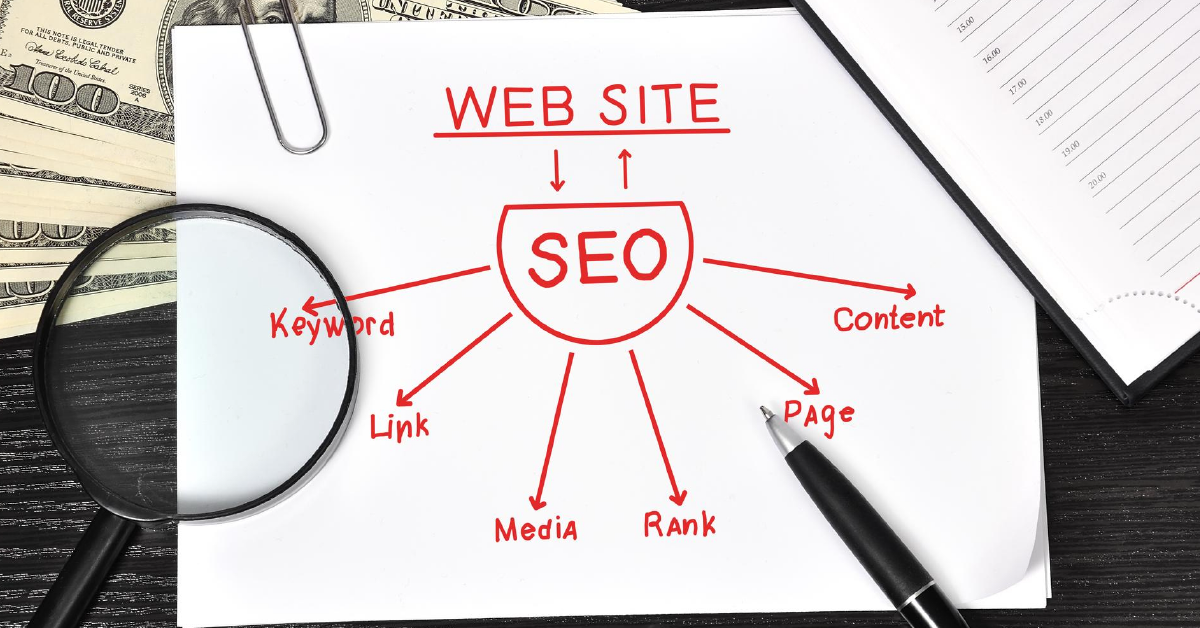
Search Engine Optimization in Digital Advertising Platforms
Search visibility plays a central role in how users discover products or services. SEO integrates with digital marketing platforms to:
- Improve rankings
- Increase discoverability
- Reduce dependency on paid traffic
Search behavior often indicates high intent. That makes SEO a key component of internet marketing platforms.
Pay-Per-Click (PPC) in Online Ads Platform Strategy
Pay per click (PPC) allows businesses to gain immediate visibility through online advertising platforms.
It works by:
- Targeting specific keywords
- Displaying ads to relevant users
- Charging per click
Within a broader digital marketing platform strategy, PPC:
- Drives quick traffic
- Supports testing of messaging
- Complements organic efforts
A balanced approach between SEO and PPC ensures both short-term and long-term gains.
Affiliate Marketing in Internet Marketing Platforms
Affiliate marketing extends reach through external partners. It works as:
- Performance-based promotion
- Revenue-sharing model
- Scalable acquisition channel
Affiliate systems often integrate with digital marketing tools and platforms to track attribution and conversions.
Mobile Marketing Across Digital Marketing Channels
Mobile is now the primary device for most interactions. Marketing platforms must support:
- Mobile-first experiences
- App-based engagement
- Push notifications
A large portion of online purchases now happens through mobile devices, making optimization across digital marketing channels critical.
Marketing Automation Platforms in Digital Marketing Tools and Platforms
Automation platforms handle repetitive tasks across campaigns. They manage:
- Follow-ups
- Lead nurturing
- Behavioral triggers
These platforms sit at the center of digital marketing tools and platforms by connecting actions across multiple systems. They reduce manual effort while maintaining consistency.
Marketing Analytics Platforms in Digital Marketing Platforms
Analytics platforms provide visibility into performance. They help businesses:
- Understand which online advertising platforms perform best
- Identify drop-off points
- Optimize budget allocation
Without analytics, decisions rely on assumptions. With analytics, decisions rely on measurable outcomes.
What Are the Benefits of Digital Marketing Platforms
Marketing platforms bring structure to execution. They allow businesses to:
- Track spending across online advertising platforms
- Understand which internet advertising platforms drive conversions
- Align messaging across digital marketing channels
- Improve overall efficiency of campaigns
Key Advantages Businesses Experience Having a Good Platform
- Better budget control across online marketing platforms
- Improved targeting within internet marketing platforms
- Clearer visibility into campaign performance
- Faster response to market changes
Marketing platforms reduce uncertainty. They replace guesswork with measurable outcomes.
Commercial Perspective: Why Buyers Choose Structured Marketing Platforms
From a buyer’s standpoint, the concern is not access to tools. It is clarity on results. Businesses investing in digital advertising platforms often struggle with:
- Too many disconnected tools
- Lack of integration
- Poor visibility into outcomes
This is where a structured approach matters.
At Varun Digital Media, platform selection is not based on popularity. It is based on alignment with revenue goals. The focus stays on:
- Reducing wasted spend
- Improving conversion paths
- Aligning platforms with business intent
A platform stack only works when it supports decision-making, not just execution.
How to Choose the Right Digital Marketing Platforms for Your Business
Choosing from dozens of digital marketing platforms sounds simple until the wrong mix starts draining budget. The real question is not which platform is popular. It is the platform that fits your buying cycle, your sales model, and the way your audience actually responds.
A smart selection process starts with five checks.
Business goals fit inside online marketing platforms
| Business Need | Better Platform Fit |
| Fast Demand Capture | Online advertising platforms, PPC, marketplaces |
| Long-Term Search Visibility | SEO, content systems, analytics |
| Re-engagement & Retention | Email, automation, CRM-linked tools |
| Brand Reach & Social Proof | Social platforms, influencer systems, video channels |
| Funnel Control & Reporting | All-in-one digital marketing platforms |
Audience behavior across digital marketing channels
A business selling to enterprise buyers cannot assume the same path as a consumer brand. Some users discover through search. Others respond to paid social, email reminders, or partner referrals. Good platform choices follow real behavior across digital marketing channels, not internal assumptions.
Data quality and reporting depth
A platform is only useful if it gives clean reporting. If attribution is weak, campaign decisions become noisy. If conversion paths are not visible, spend gets harder to defend. This is where many businesses mistake a polished dashboard for actual insight.
Integration strength with digital marketing tools and platforms
The more disconnected your systems are, the more leakage you create. A strong setup connects ads, landing pages, email, analytics, forms, and CRM tracking. That connection matters because buyers rarely convert on the first touch.
Platform maturity versus team maturity
Some digital marketing tools and platforms are powerful but operationally heavy. A lean team may perform better with fewer, better-connected systems than with a long stack that no one fully uses.
How Marketing Platforms Work Together Across Digital Marketing Channels
No single platform does everything well. The real gains come from how platforms connect.
A prospect may first see a paid social ad on one of your online advertising platforms, read a blog found through search, join your list through a landing page, receive an email offer, and return through branded search before converting. That is a normal path now.
A practical example of platform flow:
Stage
Typical Platform Role
Discovery
Digital advertising platforms, social platforms, SEO
Evaluation
Website, landing pages, email, content hub
Decision
Retargeting, CRM-linked email, PPC, marketplace presence
Retention
Automation, email, loyalty touchpoints, analytics
This matters because many businesses still judge platform value in isolation. A paid campaign may look expensive if you view it alone. It may look profitable once you see that it started the journey and the email closed it.
That is why integrated internet marketing platforms outperform isolated tools. They create continuity.
At Varun Digital Media, this connected view aligns naturally with broader service execution across SEO, content, consulting, email, website performance, paid growth, and channel optimization, where the goal is not just traffic but commercial movement across the funnel.
Online Advertising Platforms vs Internet Advertising Platforms vs Digital Marketing Platforms
These phrases are often used as if they mean the same thing. They do not.
1. online advertising platforms
These usually refer to systems used to run and manage paid ads. Think search ads, display campaigns, paid social, shopping ads, and video placements.
2. internet advertising platforms
This term overlaps with online advertising platforms, though it is often used more broadly to describe channels where paid promotions run across the web.
3. digital marketing platforms
This is the wider category. It includes paid media systems, but also analytics, automation, content systems, email infrastructure, and cross-channel coordination tools.
4. Why the distinction matters
A business may be active on several online advertising platforms and still lack a working digital platform strategy. Paid exposure alone does not create a complete marketing system. It needs measurement, follow-up, content support, and post-click control.
That is also why many businesses mistake an online ad platform for a marketing stack. One drives attention. A full platform system drives attention, response, and revenue.
Common Mistakes Businesses Make with Internet Marketing Platforms
Businesses rarely fail because platforms are unavailable. They fail because the platform mix is loose, reactive, or built around trends instead of business needs.
Mistake 1: Buying too many tools too early
A crowded stack often creates reporting confusion, duplicated tasks, and weak adoption. Fewer connected tools usually perform better than a bloated setup.
Mistake 2: Treating all digital marketing channels the same
Search intent, social engagement, email response, and marketplace buying behavior are different. The message, timing, and objective should shift with the channel.
Mistake 3: Running ads without post-click thinking
Paid traffic without conversion-focused landing pages, tracking, and follow-up creates waste. Many brands invest heavily in digital advertising platforms but underinvest in what happens after the click.
Mistake 4: Ignoring retention platforms
A business can keep spending to acquire new traffic, or it can strengthen email, automation, and repeat-purchase systems. Long-term efficiency usually depends on the second option.
Mistake 5: Choosing platforms based on hype
Not every trending channel deserves a budget. The best internet advertising platforms are the ones that match your buyer behavior, margin profile, and sales motion.
What a Strong Platform Stack Usually Includes
| Core Need | Platform Type |
| Traffic Capture | Online advertising platforms, SEO, marketplaces |
| Authority & Education | Website, blog, video platforms, social channels |
| Lead Handling | Forms, CRM, automation tools, email marketing |
| Conversion Support | Landing pages, remarketing platforms, analytics tools |
| Reporting | Marketing analytics platforms |
For more mature businesses, this stack expands with audience segmentation, attribution tools, testing systems, and deeper automation.
The point is not complexity. The point is control.
How Varun Digital Media Repositions Marketing Platforms for Buyers
Which platforms actually help a business grow without building a chaotic system that is expensive to maintain? This is where repositioning matters.
At Varun Digital Media, marketing platforms are viewed through a commercial lens:
- Which platform captures demand
- Which platform educates buyers
- Which platform converts interest into action
- Which platform keeps customers coming back
- Which platform exposes wasted spend
That approach is stronger than channel-first planning because it starts with buying movement. It also fits the broader Varun Digital Media strategic marketing model across AI SEO, digital marketing consulting, content systems, website performance, email execution, and paid growth support.
For buyers, that changes the conversation from “Which tool should we use?” to “Which platform mix supports our revenue model?”
Talk to a Digital Growth Expert
Conclusion: The Right Marketing Platforms Turn Activity Into Revenue Movement
A business can be visible on every major channel and still struggle to grow. That usually happens when the stack is busy but disconnected.
The right digital marketing platforms create structure. They connect visibility with response, response with measurement, and measurement with better decisions. That is why platform choice matters so much now. Buyers move across channels quickly. Your systems need to keep up.
The strongest online marketing platforms do not just help you publish, promote, or measure. They help you understand which touchpoints deserve more budget, which channels need refinement, and where your funnel is leaking.
That is the real value of using better digital marketing tools and platforms. Not more activity. Better commercial control.
At Varun Digital Media, platform strategy is tied to growth, not just execution. The focus stays on building a cleaner system that supports demand capture, better conversion flow, and stronger performance across the channels that actually matter.
Build a Smarter Marketing Platform Stack with Varun Digital Media
Get a platform strategy that connects traffic, conversion, and performance into one cleaner growth system.
Frequently Asked Questions
1. What is a digital marketing platform in simple terms?
To answer what a digital marketing platform is, simply, it is a system that helps a business manage, measure, and improve marketing activity across digital channels. Some platforms focus on ads, while others support email, reporting, automation, websites, or lead flow.
2. What is the difference between online advertising platforms and digital marketing platforms?
Online advertising platforms are usually focused on paid visibility, such as search, display, shopping, or social ads. Digital marketing platforms are broader and may include paid media, content systems, email infrastructure, automation, and analytics.
3. Which digital marketing channels matter most for business growth?
The answer depends on the business model, though the most common high-impact digital marketing channels include search, email, paid social, websites, content hubs, marketplaces, and remarketing systems. The best mix depends on how your buyers discover, evaluate, and purchase.
4. Are internet marketing platforms useful for small businesses?
Yes. Many internet marketing platforms work well for smaller businesses because they allow focused targeting, measurable spend, and scalable visibility. The key is choosing a smaller, well-connected stack instead of trying to be everywhere at once.
5. How do digital advertising platforms affect conversions?
Digital advertising platforms help attract traffic, though conversion depends on what happens after the click. Strong landing pages, tracking, retargeting, and follow-up systems are what turn paid visibility into results.
6. What should businesses look for in digital marketing tools and platforms?
Businesses should look for clean reporting, strong integration, ease of use, buyer-stage relevance, and the ability to support multiple touchpoints without creating operational clutter. Good digital marketing tools and platforms should make decisions easier, not noisier.
Published: December 7th, 2023