Choosing the wrong SEO approach can slow down growth, waste resources, and limit your visibility in competitive markets.
The shift is not just about size. It is about how search visibility is managed, how systems are structured, and how execution changes when complexity increases.
When aligned with an SEO Strategy for US Businesses, this comparison becomes more important. Businesses operating in competitive US markets need clarity on whether their current SEO approach supports long-term growth or limits it.
This guide explains how Enterprise SEO vs Traditional SEO differ, where each works best, and how businesses decide the right direction as they scale.
Table of Contents
What is Enterprise SEO vs Traditional SEO?
Enterprise SEO vs Traditional SEO refers to two different approaches to improving search visibility based on website size, structure, and business requirements.
Enterprise SEO manages search visibility across large websites using automation and structured systems, while traditional SEO focuses on manual optimization for smaller websites with limited scale.
Traditional SEO focuses on optimizing smaller websites with a limited number of pages. It involves direct control over content, faster implementation, and simpler execution.
Enterprise SEO operates at a larger scale. It focuses on managing search visibility across hundreds or thousands of pages, often involving multiple teams, systems, and technical layers. The difference is not limited to tactics. It extends to how SEO is planned, executed, and maintained over time.
SEO Strategy for US Businesses and Its Impact on Scale
An effective SEO Strategy for US Businesses determines whether a company should operate with a traditional approach or transition toward enterprise SEO.
In the US market:
- Competition is high across industries
- Search intent varies across regions
- Users expect fast and reliable websites
- Content quality directly impacts visibility
For smaller businesses, traditional SEO can support growth in the early stages. As traffic increases and website size expands, the same approach becomes difficult to manage.
This is where enterprise SEO becomes necessary.
Scale of Website: The First Major Difference
The most visible difference in enterprise vs traditional SEO is the size of the website. Traditional SEO typically works with:
- Websites under a few hundred pages
- Focused service or product offerings
- Limited keyword targeting
Enterprise SEO works with:
- Thousands to millions of pages
- Multiple categories or product lines
- Large keyword coverage
At this level, manual optimization becomes inefficient. Instead of editing individual pages, enterprise SEO relies on structured systems that apply changes across large sections of a website.
Example:
An eCommerce platform with thousands of product pages requires enterprise SEO to manage categories, filters, and large keyword sets, while a local service business can rely on traditional SEO for focused growth.
Technical Structure and Website Architecture
Technical SEO execution changes significantly in Enterprise SEO vs Traditional SEO.
Traditional SEO focuses on:
- Basic crawlability
- Page speed improvements
- Simple URL structures
Enterprise SEO deals with:
- Complex site architecture
- Crawl budget management
- Large-scale indexing control
- Handling duplicate and parameter-based URLs
Search engines do not crawl every page equally. Large websites must guide search engines toward high-priority pages. Without this control, valuable pages may remain undiscovered.
Content Management at Different Levels
Content strategy also shifts between enterprise vs traditional SEO.
Traditional SEO:
- Focuses on individual content pieces
- Targets specific keywords per page
- Allows manual updates
Enterprise SEO:
- Works with content templates
- Supports large keyword clusters
- Requires structured content systems
Instead of writing each page separately, enterprise websites often use template-based content generation supported by structured data.
This allows consistent optimization across thousands of pages.
Keyword Coverage and Search Demand
The keyword approach in enterprise vs traditional SEO differs in both scale and intent.
Traditional SEO targets:
- A limited set of keywords
- Niche or local search queries
- Specific services or products
Enterprise SEO targets:
- thousands of keywords
- multiple search intents
- different stages of user decision-making
Without proper keyword mapping, large websites risk internal competition where multiple pages target the same query.
Managing this requires structured planning.
Inbound Marketing vs Paid Advertising in Enterprise SEO vs Traditional SEO
When comparing Enterprise SEO vs Traditional SEO, businesses often evaluate how organic growth compares with paid campaigns.
Inbound marketing supports long-term visibility by attracting users through search. Paid advertising generates immediate traffic through sponsored placements.
In a structured SEO Strategy for US Businesses, both approaches work together:
- Inbound marketing builds a consistent search presence
- Paid campaigns provide immediate visibility
- Combined strategies improve conversion opportunities
Enterprise SEO benefits more from inbound marketing due to its long-term impact across large content ecosystems.
Enterprise SEO vs Traditional SEO: Core Comparison
| Aspect | Enterprise SEO | Traditional SEO |
| Website Size | Thousands to millions of pages | Limited number of pages |
| Execution Style | System-based and scalable | Manual, page-level optimization |
| Technical Complexity | High | Moderate |
| Content Approach | Template-driven | Individual page optimization |
| Keyword Coverage | Large-scale targeting | Focused keyword targeting |
| Implementation Speed | Slower due to dependencies | Faster execution |
| Resource Involvement | Multiple teams (SEO, dev, content) | Small team or individual |
This comparison highlights why businesses cannot rely on traditional methods once their website reaches a certain scale.
Team Structure and Workflow
Execution depends on how teams operate in Enterprise SEO vs Traditional SEO.
Traditional SEO:
- Handled by small teams
- Direct implementation
- Fewer dependencies
Enterprise SEO:
- Involves multiple departments
- Requires coordination with developers and content teams
- Follows structured workflows
This adds complexity but allows changes to be implemented across large systems.
Implementation Speed and Control
One of the biggest differences in Enterprise SEO vs Traditional SEO is the speed of execution.
Traditional SEO allows:
- Quick updates
- Direct control over pages
- Faster testing
Enterprise SEO requires:
- Approval processes
- Testing environments
- Phased implementation
This slows down execution but reduces risk, especially on large websites.
When Businesses Transition to Enterprise SEO
Businesses move from traditional to enterprise SEO when:
- Website size increases significantly
- Content expands across categories
- Multiple teams manage the website
- Technical complexity grows
At this stage, continuing with traditional SEO methods limits growth.
Common Challenges in Enterprise SEO vs Traditional SEO
Both approaches come with challenges.
Traditional SEO challenges:
- Limited scalability
- Dependency on manual work
- Slower expansion into new topics
Enterprise SEO challenges:
- Technical complexity
- Coordination across teams
- Slower implementation cycles
Understanding these challenges helps businesses plan better strategies.
Why Varun Digital Media for Enterprise SEO vs Traditional SEO
Varun Digital Media works with businesses navigating the shift between enterprise vs traditional SEO. The approach focuses on building structured SEO systems that support growth at every stage.
Key strengths include:
- Structured keyword planning aligned with search demand
- Technical improvements that support large-scale visibility
- Content systems designed for expansion
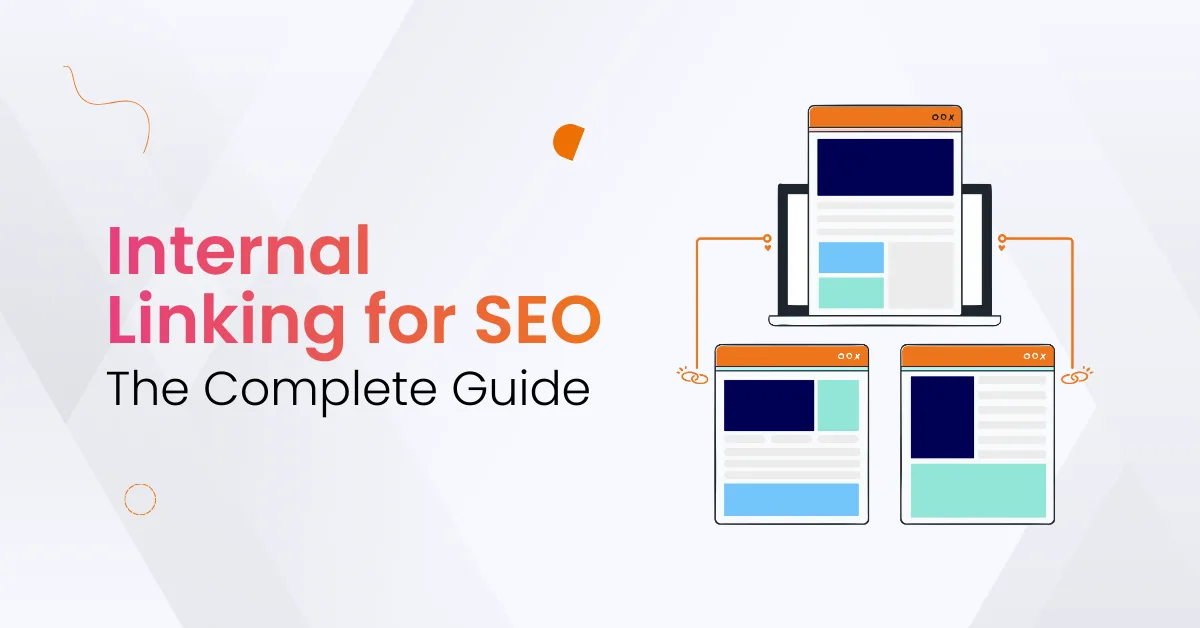
- Internal linking frameworks that strengthen rankings
- Performance tracking based on measurable outcomes
This helps businesses move from basic optimization to a scalable SEO framework.
How Varun Digital Media Builds SEO Strategy for US Businesses
Varun Digital Media aligns Enterprise SEO vs Traditional SEO with a structured SEO Strategy for US Businesses. The process includes:
- Identifying gaps in current SEO performance
- Improving website structure for better search visibility
- Aligning content with user search intent
- Building internal linking frameworks
- Monitoring performance and refining execution
This creates a consistent system that supports both visibility and business growth.
Advanced Differences in Enterprise SEO vs Traditional SEO
As websites grow, the gap between Enterprise SEO and Traditional SEO becomes more visible in execution depth and operational control.
Automation and System-Based Execution
Traditional SEO relies on manual updates. Each page is optimized individually. Enterprise SEO shifts toward system-driven execution:
- Templates apply changes across thousands of pages
- Structured rules manage metadata and content
- Updates scale without manual repetition
This allows large websites to maintain consistency while expanding rapidly.
Data Handling and Performance Tracking
Tracking performance differs significantly in enterprise vs traditional SEO.
Traditional SEO tracks:
- Keyword rankings
- Traffic growth
- Basic conversions
Enterprise SEO requires:
- Segmented performance across categories
- Tracking at the page group level
- Deeper analysis of search patterns
Large websites cannot rely on surface-level tracking. Performance must be evaluated across different layers of the site.
Multi-Location and Multi-Market SEO
In a competitive SEO Strategy for US Businesses, regional targeting plays a key role. Traditional SEO may focus on:
- A single location
- Limited geographic targeting
Enterprise SEO handles:
- Multiple cities and regions
- Location-specific content
- Large-scale local optimization
This becomes critical for businesses operating across the US, where search behavior varies by location.
Governance and Approval Structure
The execution flow differs significantly between Enterprise SEO and Traditional SEO.
Traditional SEO allows:
- Direct implementation
- Minimal approval layers
Enterprise SEO requires:
- Structured change requests
- Coordination across teams
- Planned deployment cycles
This adds time to execution but ensures stability across large websites.
Enterprise SEO vs Traditional SEO in Real Business Growth
The impact of enterprise vs traditional SEO becomes clearer when linked to business outcomes.
Traditional SEO supports:
- Early-stage growth
- Focused visibility
- Limited content expansion
Enterprise SEO supports:
- Large-scale visibility
- Broader keyword coverage
- Consistent growth across multiple pages
Businesses that scale without upgrading their SEO approach often see performance stagnation.
Key Decision Factors for Businesses
Choosing between Enterprise SEO vs Traditional SEO depends on:
- Website size
- Content volume
- Technical complexity
- Business growth stage
Businesses should evaluate whether their current SEO approach supports future expansion.
Mistakes to Avoid in Enterprise SEO and Traditional SEO
Common issues that limit results:
1. Treating Enterprise SEO Like Traditional SEO
Applying manual methods to large websites slows down growth.
2. Ignoring Technical Structure
Large websites require strong technical foundations to maintain visibility.
3. Poor Content Mapping
Without structured keyword alignment, pages compete with each other.
4. Lack of Coordination
Enterprise SEO requires alignment across teams to avoid delays.
How SEO Strategy for US Businesses Supports Both Approaches
A structured SEO Strategy for US Businesses connects both models effectively. It allows businesses to:
- Start with traditional SEO
- Scale into enterprise SEO
- Maintain consistent visibility
This transition supports long-term growth without disrupting existing performance.
Conclusion
Choosing between enterprise SEO and traditional SEO depends on where your business stands today and where it plans to grow. Traditional SEO supports early-stage visibility, while enterprise SEO enables expansion at scale.
Businesses that align their SEO approach with their growth stage maintain consistent performance and avoid structural limitations. Those that fail to adapt often lose visibility to competitors investing in structured, scalable SEO systems.
Why Varun Digital Media Is the Right Partner
Varun Digital Media works with businesses that need clarity between Enterprise SEO and Traditional SEO. The focus is on building structured SEO systems that grow with the business.
Key advantages include:
- Aligning SEO execution with business goals
- Building scalable content frameworks
- Improving technical structure for better visibility
- Supporting both traditional and enterprise-level SEO
This creates a clear path from early growth to large-scale expansion.
Get a Scalable SEO Strategy for Your Business Growth
Build a structured approach that supports growth from traditional to enterprise SEO with Varun Digital Media.
Frequently Asked Questions
1. What is the difference between Enterprise SEO and Traditional SEO?
Enterprise SEO focuses on large-scale websites with automation and structured workflows, while traditional SEO is ideal for smaller websites using manual optimization and focused keyword targeting.
2. How do I know if my business needs enterprise SEO?
If your website has hundreds or thousands of pages, multiple categories, or requires coordination across teams, enterprise SEO becomes necessary.
3. Can small businesses use enterprise SEO?
Small businesses typically start with traditional SEO. Enterprise SEO becomes relevant as the website grows and complexity increases.
4. Is enterprise SEO more expensive than traditional SEO?
Enterprise SEO involves more resources, systems, and coordination, making it more resource-intensive compared to traditional SEO.
5. Does enterprise SEO replace traditional SEO?
Enterprise SEO builds on traditional SEO principles but adapts them for scale and complexity.
Published: March 30th, 2026