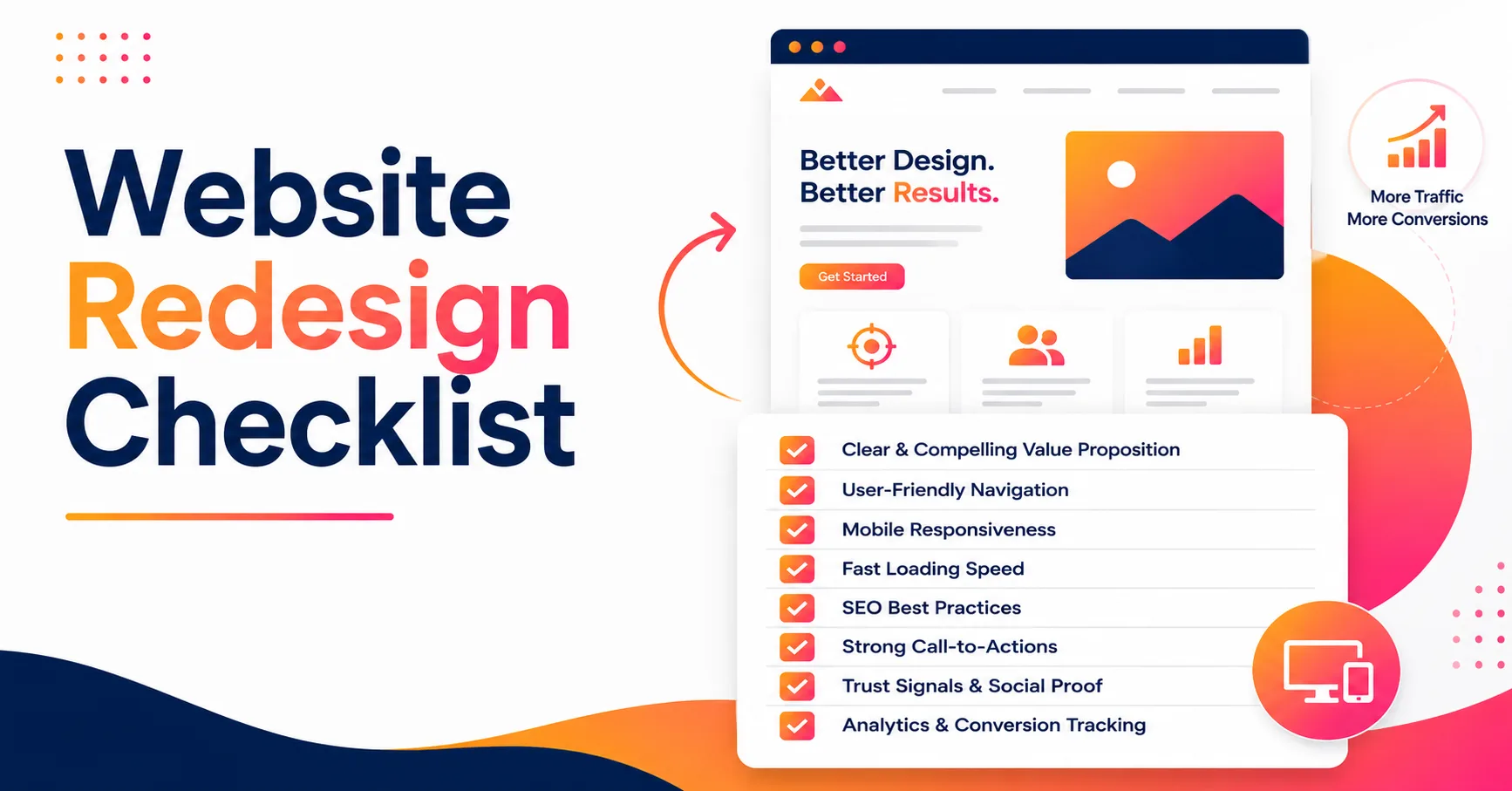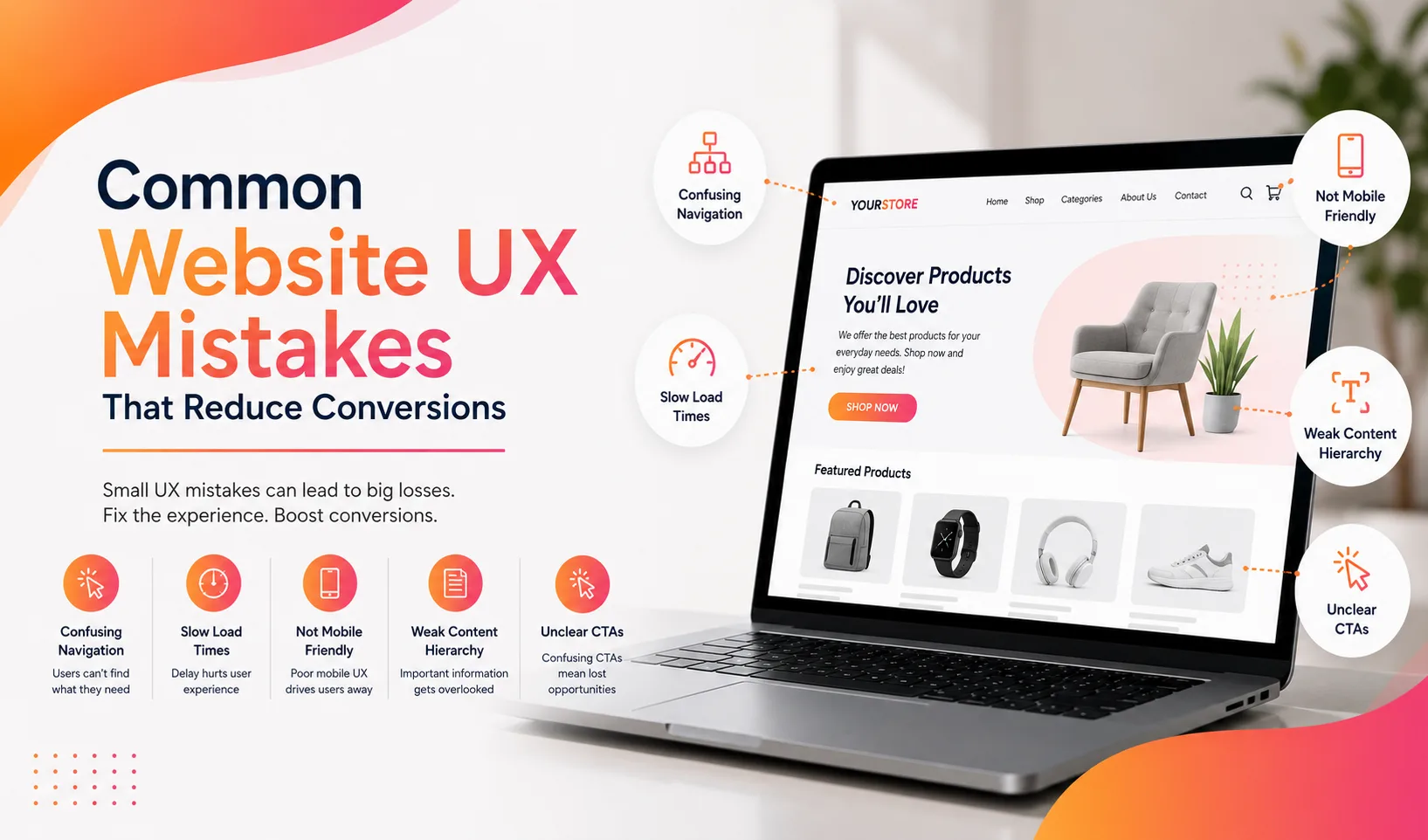
Website builders have evolved a lot in 2026. The right website building platform can support search visibility, stronger mobile performance, easier updates, better lead flow, and smoother online selling. The inefficient one can leave you with slow pages, weak SEO controls, limited design flexibility, and expensive workarounds later.
That is why choosing between the wide range of available website builders is no longer just a design decision but a business decision. This guide compares the platforms that matter most, where each one works best, and how to choose the right fit for your goals, budget, and growth plans.
At Varun Digital Media, builder selection is tied to SEO, content structure, conversion flow, and long-term usability. A business website builder should help your brand grow with less friction, not create limits after launch.
Table of Contents
Why Website Builders Matter More for Business Growth in 2026
A website now carries more weight than many businesses expect. It is your brand’s introduction, place to capture leads, sales page, proof layer, and support channel all together. People may first find you through Google, an ad, a local map result, a LinkedIn profile, or a referral. In every case, the website often becomes the place where they decide whether your business feels credible.
That is why website builders for small businesses have become more advanced. They are no longer focused only on templates. The better options now include AI setup, SEO controls, e-commerce support, analytics, CRM integrations, and stronger mobile design.
A poor platform choice creates friction in places that matter:
- slow loading pages
- weak mobile layouts
- thin SEO controls
- limited content management
- poor checkout flow
- hard-to-edit sections
- expensive add-ons that stack up later
A better website-building platform reduces those issues early. That makes launch simpler and ongoing growth more realistic.
Build a Website That Supports Search, Trust, and Sales
Choose website builders with a business goal in mind, not just a template in view.
The Role of Website Builders in Business Success
A site can look polished and still fail if it does not help visitors take the next step. Good website builders support both presentation and action.
For a local business, that action may be a call, a form fill, or a booking. For an online store, it may be checkout completion. For a consultant or agency, it may be a lead form, a case study click, or a strategy call request.
The stronger site-building platforms support this by giving you:
- flexible page structure
- strong mobile editing
- clear calls to action
- SEO settings at the page level
- form and automation support
- clean site hierarchy
- room to expand later
That is why the best website builder for small businesses should never be chosen by template design alone.
Key Features to Look for in Website Builders
Before comparing platforms, it helps to know what separates a basic website maker for small businesses from a tool that can support real business use.
Website Builders for Small Business Need Strong Usability
Most businesses do not want to call a developer for every headline update or button change. The platform should let teams edit pages, swap sections, publish blogs, update images, and adjust CTAs without technical stress.
Look for:
- drag-and-drop editing that stays organized
- reusable page blocks
- simple navigation controls
- fast publishing flow
- clean dashboard structure
Best Website Builder Setups Need SEO Depth
Search visibility matters from the beginning. If the platform makes it hard to edit title tags, meta descriptions, page URLs, image alt text, redirects, schema, or blog structure, growth gets slower.
A strong professional website builder should support:
- editable metadata
- clean URL structure
- blog and content publishing
- internal linking support
- image optimization
- mobile speed
- sitemap generation
This matters because the best website for a small business is not only attractive. It is discoverable.
Business Website Builder Tools Should Support Mobile-First Design
More visitors now arrive on mobile than on desktop for many industries. If mobile layouts are weak, conversion suffers quickly. A business website builder should help you preview spacing, image size, menu behavior, and CTA placement on smaller screens.
AI Website Builder Tools Need Practical Value
A modern AI website builder can shorten setup time. A strong AI website creator can generate first-draft layouts, headline ideas, section structures, and even starter visuals. Still, AI is useful only when the result can be refined for real brand goals.
The best AI website builder tools help with speed, though they still need human review for message clarity, SEO structure, and conversion flow.
The Best Website Builders for Small Business Compared
Wix as a Website Creator for Small Businesses
Best for: service businesses, local brands, and teams that want visual control without code
Wix remains one of the most widely used website builders for small business because it balances flexibility with ease of use. It gives businesses more control over layout than many beginner-friendly tools, while still keeping day-to-day editing manageable.
Why businesses choose it: Wix works well for businesses that need service pages, contact forms, galleries, blogs, and local lead generation without technical complexity.
SEO strengths:
Page-level metadata, blog support, redirects, alt text, and structured editing for titles and URLs
Limitations: Some designs become heavier as more elements are added, and some sites still feel template-led without stronger customization
Good fit for: Consultants, salons, clinics, agencies, local service providers
Not ideal for: Brands that need deep ecommerce support or advanced design systems
Squarespace as a Professional Website Builder
Best for: design-focused businesses that want a polished visual presence
Squarespace is a strong option for brands that care about presentation and want a site that looks refined from the start. It is often chosen by photographers, restaurants, designers, studios, and premium service businesses.
Why businesses choose it: It offers a cleaner design baseline than many other site-building platforms and keeps visual consistency strong across pages.
SEO strengths: Clean templates, blogging support, metadata controls, and mobile-friendly presentation
Limitations: Deeper customization is more limited than on some competing platforms
Good fit for: Creative brands, hospitality businesses, boutiques, personal brands
Not ideal for: Businesses needing more technical control or broader third-party flexibility
Shopify is the Best Ecommerce Website Builder
Best for: online stores and product-led brands
When ecommerce is the main priority, Shopify is still the clearest choice. It is built for product catalogs, checkout flow, payment handling, shipping, and store management.
Why businesses choose it: It removes much of the complexity around online selling and gives businesses a reliable commerce-first setup.
SEO strengths: Strong product structure, category pages, blog support, and search-friendly store organization
Limitations: Monthly cost can rise once apps, premium themes, and additional tools are added
Good fit for: Retail brands, DTC businesses, subscription products, multi-product stores
Not ideal for: Businesses whose main goal is content publishing or local lead generation only
WordPress as a Business Website Builder for SEO and Content
Best for: businesses that rely on blogging, service content, and long-term search growth
WordPress remains one of the strongest options for content-led businesses. It supports deeper publishing control, stronger blog architecture, and more flexibility for businesses that want content to drive visibility.
Why businesses choose it: It suits brands that need service pages, blog clusters, landing pages, and stronger SEO depth over time.
SEO strengths: Flexible site structure, strong blogging support, metadata control, internal linking strength, and wider plugin support
Limitations: Setup, maintenance, and plugin management need more attention than simpler builders
Good fit for: Agencies, B2B firms, consultants, education brands, content-led businesses
Not ideal for: Teams that want the simplest setup with minimal backend management
Webflow as a Professional Website Builder for Design Control
Best for: businesses that want sharper control over layout, animation, and design structure
Webflow suits brands that want a more custom-looking site without starting from full custom development. It gives more visual precision than many mainstream site-building platforms.
Why businesses choose it: It helps design-led brands create stronger presentations and cleaner visual hierarchy.
SEO strengths: Clean structure, metadata controls, custom page handling, and strong page speed potential when built properly
Limitations: The learning curve is steeper for teams with no design or web background
Good fit for: Agencies, startups, premium service brands, SaaS landing pages
Not ideal for: Teams that need the quickest possible editing experience
Framer for Modern, Design-Led Business Sites
Best for: modern landing pages and sleek brand presentation
Framer has become popular for businesses that want a more modern visual feel. It is especially useful for startups, product-led landing pages, and brands focused on presentation.
Why businesses choose it: It helps create stylish pages quickly and can work well for focused, conversion-led websites.
SEO strengths: Good for focused landing pages and cleaner page structure when handled carefully
Limitations: It is not usually the first choice for broader content ecosystems or more complex website structures
Good fit for: Startup brands, campaigns, smaller presentation-led websites
Not ideal for: Large service sites, content-heavy SEO builds, or complex ecommerce use
AI Website Builder Options in 2026
Best for: businesses that want faster setup and quicker first drafts
An AI website builder or AI website creator can help reduce setup time. These tools can generate page sections, headlines, layouts, and starter content based on prompts.
Why businesses choose them: They reduce blank-page friction and help businesses launch faster.
SEO strengths: Helpful for drafting content blocks and page layouts quickly
Limitations: Output often needs editing for sharper messaging, stronger search intent alignment, and better conversion flow
Good fit for: Businesses that need a quicker starting point
Not ideal for: Brands expecting AI alone to solve structure, messaging, and SEO strategy
Quick Comparison of the Best Website Builders
| Platform | Best For | Ease of Use | SEO Flexibility | Ecommerce Strength | Best Fit |
| Wix | Service businesses and local brands | High | Good | Moderate | Businesses that want visual control without code |
| Squarespace | Design-led brands and portfolios | High | Good | Moderate | Businesses that care about polished presentation |
| Shopify | Online stores | Medium | Good | Strong | Product-led brands and ecommerce businesses |
| WordPress | Content-heavy businesses | Medium | Strong | Moderate | SEO-focused brands and publishing-led growth |
| Webflow | Custom design control | Medium to High | Strong | Moderate | Brands wanting more design precision |
| Framer | Modern landing pages and startup-style sites | Medium | Moderate | Limited | Businesses prioritizing visual style |
| AI website builder tools | Fast setup and quick first drafts | High | Varies | Varies | Businesses that want a faster starting point |
Need Help Choosing Between Website Builders?
Get a platform recommendation based on SEO goals, lead flow, and growth plans.
Actionable Tips for Choosing the Best Website Builder
The smartest choice starts with business need, not with trend lists.
Best Website Builder for Small Business Depends on Site Purpose
Ask what the site must do first. If you need:
- online selling, choose commerce-first
- local leads, choose speed, forms, local SEO, and trust layout
- content growth, choose publishing and SEO flexibility
- premium visual identity, choose design control
- fast setup, choose simpler editing, and AI support
Website Design Software Should Match Your Team’s Capacity
Some tools look strong during demos and become frustrating after launch. Think carefully about who will manage the site once it is live. If your team wants fast edits without technical stress, usability should stay high on your checklist.
Website Creator for Business Should Be Evaluated on Real Cost
A platform that looks cheap at signup can become expensive once you add:
- domain connection
- email tools
- e-commerce features
- forms
- integrations
- premium themes
- extra storage
- transaction fees
The better comparison is total operating cost, not entry-level price.
Which Website Builder Fits Different Business Types?
Best Website Builder for Small Business Service Brands
For service businesses, the better choice usually depends on how much control you need over layout, SEO, and lead capture. Wix and Squarespace often work well for local services, consultants, clinics, and agencies that need lead forms, service pages, and trust-focused design.
Best Ecommerce Website Builder
For businesses selling products online, Shopify remains the strongest option. It is built for commerce and handles checkout, inventory, payments, and store operations more effectively than general-purpose builders.
Best Website Builder for Content-Led Businesses
For brands that depend on blogs, SEO pages, and long-form content, WordPress remains the stronger choice. It supports larger content ecosystems and gives more flexibility for search-led growth.
Best AI Website Builder for Fast Setup
An AI website builder can help businesses that want to launch faster or need help getting a first version live. It works best as a starting layer, not as a complete replacement for page planning and business positioning.
Best Professional Website Builder for Design-Led Brands
For brands that want a sharper visual outcome, Webflow, Framer, and Squarespace usually offer the strongest design-focused direction. The better fit depends on how much control the team wants after launch.
How the Right Website Builder Supports SEO and Conversions
The right platform helps both ranking potential and conversion flow. It does that by making page structure cleaner, metadata easier to manage, blogs easier to publish, and mobile layouts stronger.
That directly affects:
- crawlability
- internal linking
- page relevance
- site speed
- user trust
- CTA visibility
- conversion paths
This is why website design software should be reviewed through both an SEO lens and a business lens. A nice homepage alone does not create growth.
Why Businesses Still Need Strategy Beyond the Builder
A builder is still a tool. It does not replace structure, message clarity, offer positioning, or page intent. Two businesses can use the same platform and get completely different outcomes.
That difference usually comes from:
- page hierarchy
- homepage message clarity
- service page depth
- stronger internal linking
- better local trust signals
- stronger calls to action
- search intent matching
- cleaner design decisions
This is also where Varun Digital Media adds value. The platform choice is only one layer. What matters just as much is how the pages are planned, written, linked, and optimized for action.
Common Myths Around Website Builders
A few beliefs still hold businesses back. Regarding the website builders-
- Many assume website builders are only for very small or low-quality sites. That is no longer true. The stronger platforms now support polished, fast, revenue-ready builds.
- Some assume an AI website builder removes the need for planning. It does not. It can speed up setup, though message quality and conversion logic still need direction.
- Others assume the most expensive builder must be the best website builder. That is rarely true. Fit matters more than price.
How Varun Digital Media Helps Businesses Choose Smarter
Choosing between website builders is only one part of the decision. The stronger question is which platform fits your business model, supports your search goals, and stays manageable as the site grows.
At Varun Digital Media, builder selection is tied to SEO, page purpose, conversion flow, and long-term usability. That means the platform is reviewed alongside the structure of the site, the type of traffic it needs to attract, and the actions users need to take once they arrive.
This usually includes:
- platform selection based on business type
- page structure planning
- SEO page mapping
- conversion-focused layout guidance
- local trust elements
- service and landing page planning
- content expansion structure
- post-launch review and improvement planning
The result is not just a site that goes live. It is a site built to support visibility, trust, and action.
Opt for Varun Digital Media Now
Final Thoughts
The best website builders are the ones that match how your business sells, how your pages The best website builders are not the ones with the longest feature lists. They are the ones that match how your business attracts traffic, presents trust, captures leads, sells products, and grows over time.
A local service business may do well with Wix or Squarespace. A store-led brand will usually need Shopify. A content-driven business may gain more from WordPress. A design-led brand may prefer Webflow or Framer. An AI website builder may help businesses that want a faster starting point and less production delay.
The stronger choice is the one that supports your real business goals after launch, not just the one that looks appealing during setup. A website should help people trust your business quickly, find the right information easily, and take action without friction. That is what makes the right platform worth choosing well.
Turn Your Website Into a Business Asset
Build a site that supports rankings, conversions, and long-term growth with Varun Digital Media.
Frequently Asked Questions
1. Which platform is the best website builder for a small business?
The answer depends on what the business needs most. Shopify is often the strongest choice for e-commerce. Wix and Squarespace suit many service brands. WordPress is stronger for content-led growth. The best website builder for a small business is the one that supports your real goals, editing needs, and SEO requirements.
2. Are AI website builder tools good enough for business use?
A strong ai website builder can save time during setup and help create draft layouts and starter content. It is useful for faster production, though businesses still need human review for brand message, SEO structure, and conversion quality.
3. What should I look for in website builders for small businesses?
Focus on editing ease, SEO controls, mobile responsiveness, page speed, content support, integrations, and total cost over time. Website builders for small businesses should support both launch and growth.
4. Which is the best ecommerce website builder in 2026?
For most product-led brands, Shopify remains the best ecommerce website builder because it is built around selling, order flow, inventory, and checkout support.
5. Can a website creator for business support SEO well?
Yes, though only if the platform allows page-level SEO control. A strong website creator for business should allow clean URLs, editable metadata, mobile-friendly layouts, strong content structure, and ongoing publishing support.
6. Is a professional website builder better than custom development?
For many businesses, yes. A professional website builder can reduce costs, speed up launch, and keep editing simpler. Custom development still makes sense for highly complex functionality, though many businesses do not need that level of build from the start.
Published: July 11th, 2025