On-page seo in 2026 is no longer a checklist you complete after writing a page. It is the way a page is planned, written, structured, linked, tested, and refreshed so search engines can read it clearly and real buyers can act with confidence. A page can have a good topic and still fail if the title is weak, the intent is off, the internal links are random, or the copy says too much without helping the visitor move forward.
For US businesses competing in crowded search results, on-page seo now sits closer to revenue than many teams realize. It affects rankings, click-through rate, lead quality, content usefulness, page experience, and conversion paths.
This guide breaks down how to handle on-page seo optimization in 2026 without stuffing keywords, over-polishing content, or treating every page like a generic blog template.
Table of Contents
What is On-Page SEO?
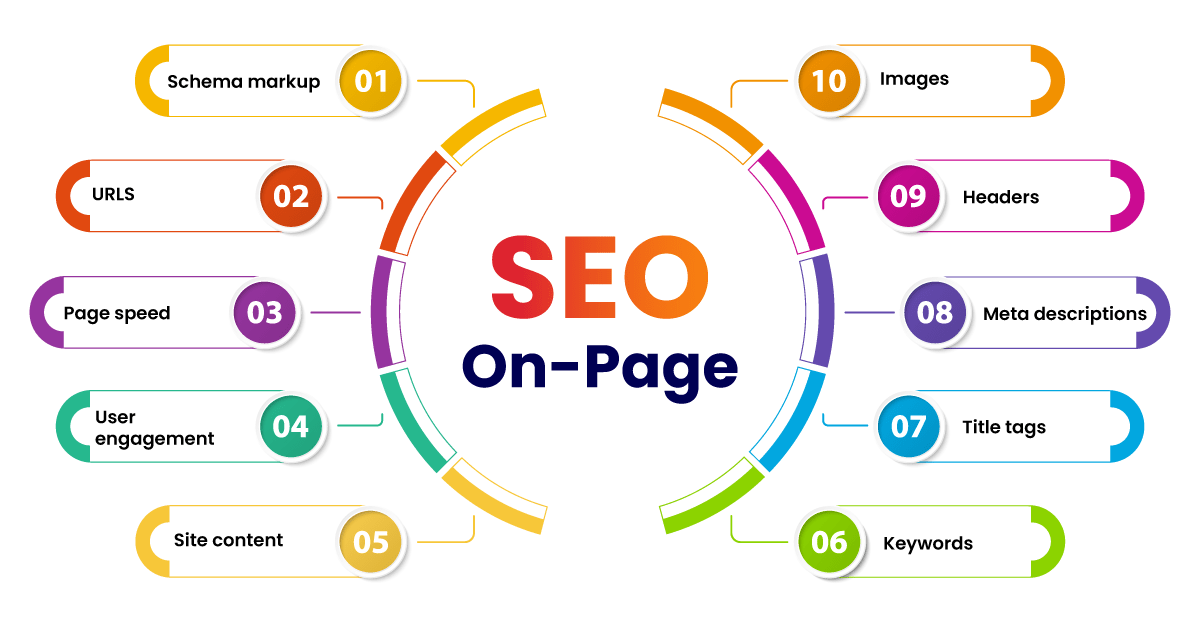
on-page seo is the process of improving the visible and behind-the-scenes elements of a webpage so it can rank better, earn more qualified traffic, and guide visitors toward a useful next step.
That includes the words on the page, the H1s, H2s, title tag, meta description, URL, images, internal links, schema, page speed, mobile layout, and the way the page answers search intent.
A simple example helps. If a service page targets “SEO services for SaaS companies,” the page should not talk vaguely about digital growth for 900 words before naming the service. The title, opening, headings, proof points, internal links, and CTA should all support that same search need.
That is the core of on-page search engine optimization. It gives each page a clear job.
Why On-Page SEO Matters in 2026
on-page seo matters in 2026 because Google, AI search experiences, and users all need clearer pages than before. Search engines still look for topical signals, but they also look at structure, usefulness, freshness, and whether users seem satisfied after landing on the page.
The old habit was to publish a page, add a keyword, and wait. That does not hold up now.
A strong page needs to:
- Match the search intent behind the query
- Use the primary keyword in visible places without sounding forced
- Answer the main question early
- Use headings that make scanning natural
- Load fast on mobile
- Link to related pages with clear anchors
- Show enough depth to compete with better pages
- Support a business goal without turning into a sales pitch
For Varun Digital Media, the on-page seo strategy is treated as part of the full search and conversion path. A page should rank, but it should also help the visitor decide, compare, inquire, or continue reading with purpose.
Build Pages That Rank, Read, and Convert
Varun Digital Media strengthens priority pages with search intent, content depth, technical checks, and conversion-focused SEO.
Essential On-Page SEO Elements
The best on-page seo factors are not hidden tricks. They are the small page elements that work together. If one or two are weak, the page may still perform. If most are weak, even good writing struggles.
1. Title Tags in on-page SEO
The title tag is the text searchers usually see as the clickable result on Google. It should include the main keyword and a reason to click.
For this topic, a strong title could be:
- On-Page SEO Guide in 2026 for Better Rankings
- On-page SEO Guide in 2026: What to Fix First
- On-Page SEO Guide in 2026 for Traffic and Leads
Keep it readable. Keep it specific. A title that sounds inflated can hurt trust before the visitor even lands on the page.
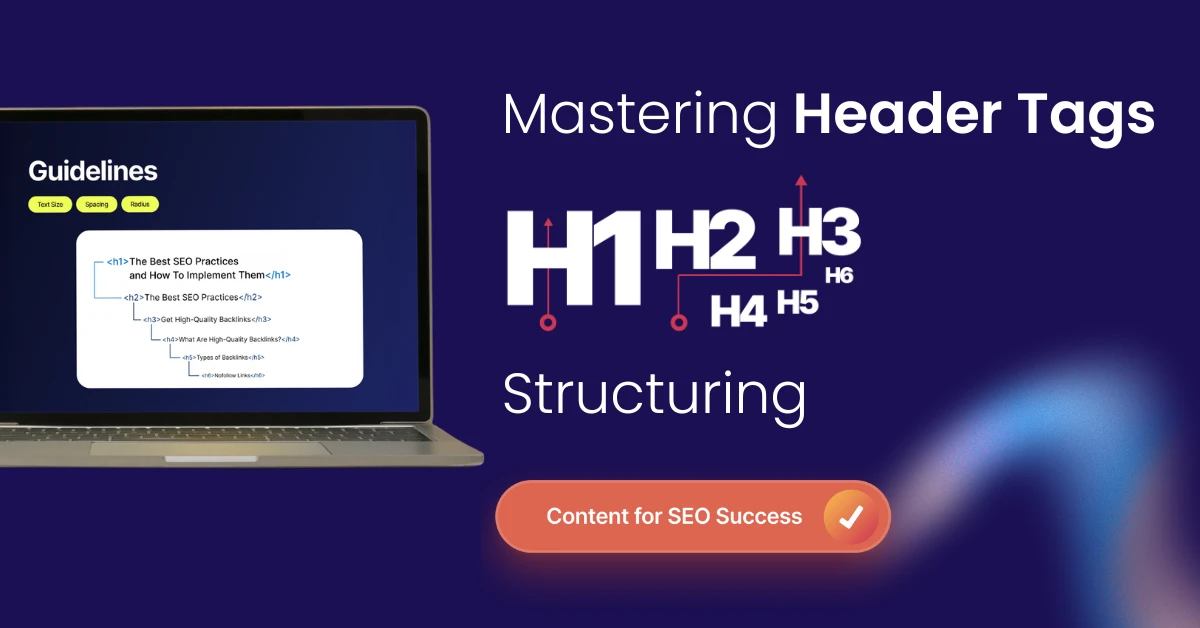
2. H1 and Headings for on-page SEO Optimization
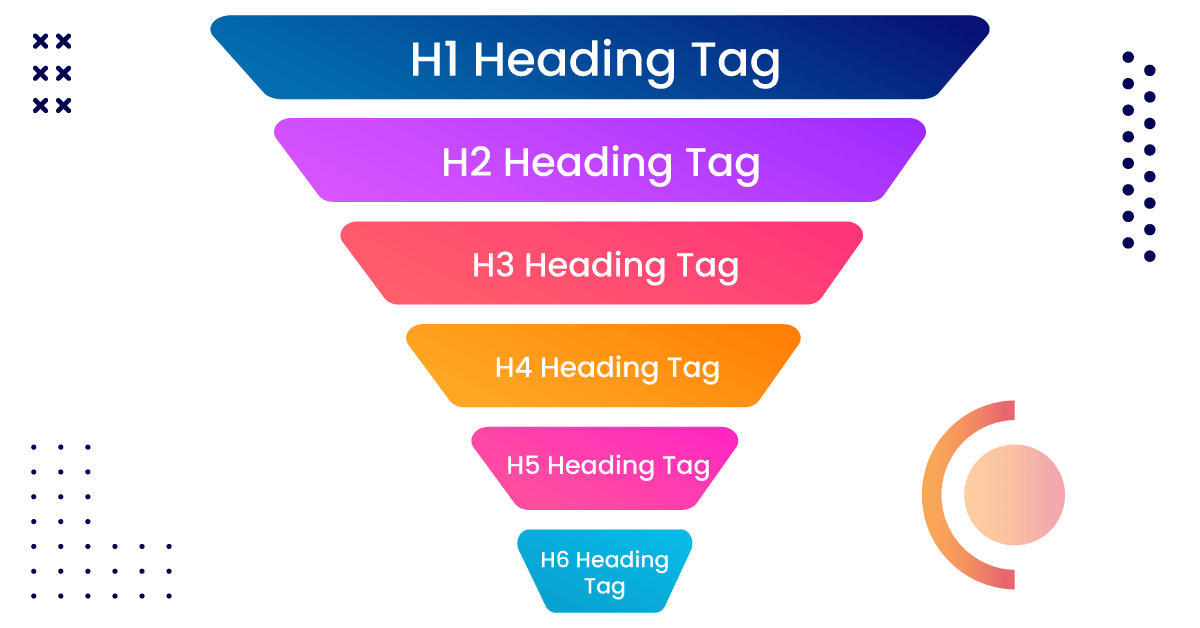
The H1 should tell readers exactly what the page covers. Use one H1 per page.
H2s should divide the page into useful sections. H3s should explain smaller points inside those sections. This helps search engines read the page and helps users move through it without feeling lost.
A page about on-page seo optimization should not use vague headings like “More Details” or “Final Notes.” Headings should carry meaning on their own.
3. Meta Description for Search Clicks
The meta description does not guarantee rankings, but it can improve clicks when it matches the search need. It should explain what the page offers in clear language.
Good meta descriptions usually include:
- The main keyword
- A direct benefit
- A reason to choose this result
- No hype or false promise
If Google rewrites it, the page still needs a strong description because it can appear in previews, shares, and some search results.
4. URL Structure in Seo on-page Optimization
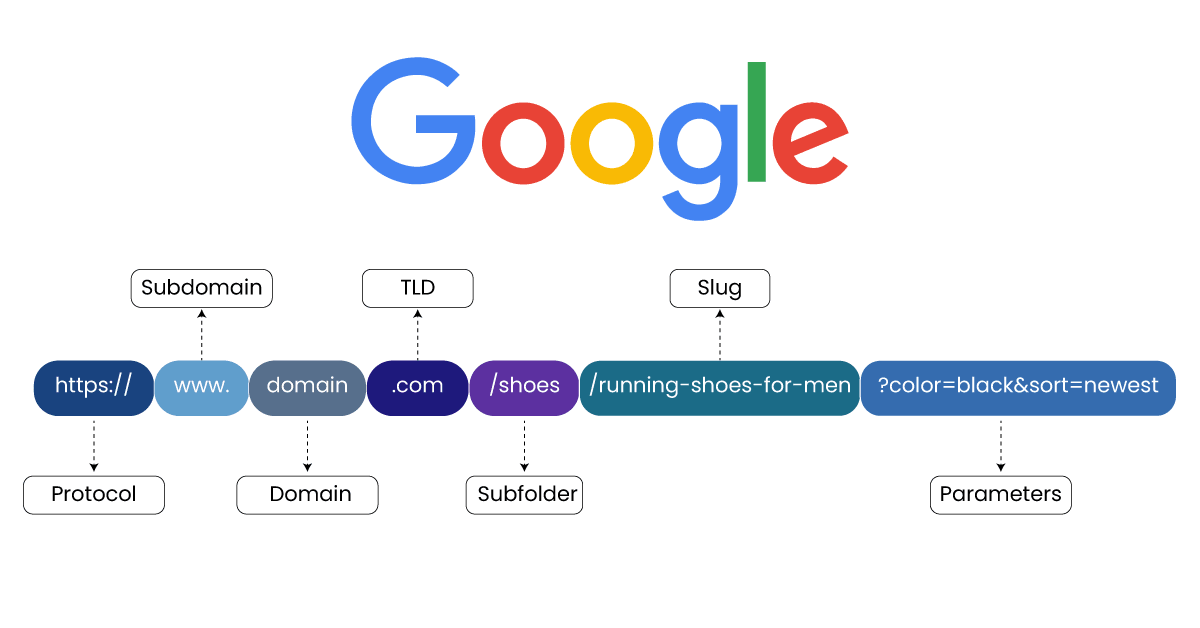
Clean URLs help users and crawlers understand the page topic. A short URL is better than a long string of numbers or folders.
Good example:
/on-page-seo-guide-2026/
Weak example:
/blog/category/seo/final-new-page-version-1287/
A clean URL supports seo on-page optimization because it adds one more clear topical signal.
Image Optimization
Images should help explain the content, not just fill empty space. Use screenshots, annotated visuals, flow diagrams, page structure samples, and mini checklists where they add value.
For image SEO:
- Use descriptive file names
- Compress images before upload
- Add useful alt text
- Avoid placing heavy visuals above important copy
- Check how images behave on mobile
An image named on-page-seo-audit-checklist.png is more useful than IMG_2049.png.
Internal Links
Internal links help Google connect related pages and help readers move deeper into your site.
For this blog, natural internal links could point to:
- SEO Services
- Technical SEO Services
- Content Marketing Services
- Website Design Services
- Digital Marketing Consulting Services
- PPC Management Services
The anchor text should describe the linked page. Avoid empty anchors like “read more” when a clearer phrase fits better.
Content Optimization Strategies
Good on-page seo starts before the first draft. The topic, keyword, search intent, page format, and expected next step should be clear before writing begins.
Keyword Research for on-page SEO Strategy
Keyword research is not just about volume. A keyword with high volume can waste time if the page format does not match the intent.
Before writing, check:
- What type of pages already rank
- Whether the query is informational, commercial, or transactional
- What subtopics competitors cover
- What questions appear in People Also Ask
- What internal page should receive traffic next?
- Whether the keyword deserves a blog, service page, guide, or landing page
For this article, the primary keyword is on-page seo. Supporting keywords include on-page seo audit, on-page seo analysis, on-page optimization, and on-page seo service. Each one belongs where the meaning fits naturally.
Search Intent Comes Before Word Count
A 2,000-word page can still be thin if it repeats the same idea. A shorter page can perform better if it answers the search clearly.
For a guide, users expect explanations, steps, and examples. For a service page, they expect problems, process, proof, and conversion direction. For a product page, they expect features, outcomes, pricing signals, and trust cues.
This is where many pages lose ranking potential. They write around the keyword instead of the intent.
Content Depth Without Padding
Depth means answering the next natural question before the reader has to search again.
For on-page seo, that includes:
- What it means
- Why it matters
- What elements to optimize
- How to structure content
- How to avoid keyword stuffing
- How to measure improvement
- How often to update pages
- Where technical checks fit
Depth does not mean adding long paragraphs that repeat the same claim. It means each section earns its space.
E-E-A-T and Page Trust
E-E-A-T stands for experience, expertise, authoritativeness, and trustworthiness. For a business website, this can show through practical details, clear service explanations, accurate claims, relevant examples, and helpful internal links.
Trust also comes from restraint. Avoid inflated promises like “rank number one instantly.” A page that promises too much creates doubt.
Varun Digital Media’s approach keeps the page grounded in search intent, content quality, and measurable improvement. That matters for buyers who want growth without guesswork.
Technical on-page SEO
Technical work is often placed under a separate SEO category, but several technical checks directly affect on-page optimization.
Page Speed and Core Web Vitals
A slow page weakens the reading experience and can reduce conversions. Visitors do not wait politely for a bloated page to load.
Check:
- Largest Contentful Paint
- Interaction with Next Paint
- Cumulative Layout Shift
- Image size
- Unused scripts
- Font loading
- Mobile speed
If the page jumps while loading, hides the main copy, or takes too long on mobile data, the content loses impact before anyone reads it.
Mobile Layout
Most search journeys touch mobile at some stage. A page should be readable without pinching, zooming, or fighting popups.
Review:
- Font size
- Button spacing
- Sticky headers
- Image scaling
- Table behavior
- Form usability
- CTA placement
A desktop page can look polished and still fail on mobile. That is a common issue found during an on-page seo audit.
Crawlability and Indexability
A page cannot rank if search engines cannot access or index it. Check whether the page is blocked by robots.txt, marked noindex, buried too deep, or missing from internal links.
This is basic, but it still catches live pages more often than teams expect.
Schema Markup
Schema markup gives search engines extra context about a page. It can support article pages, FAQs, breadcrumbs, products, reviews, local pages, and service pages.
Use the schema only where it fits. Adding a schema for everything does not make a page stronger. Clean, accurate markup is better than cluttered markup.
Advanced on-page SEO Techniques
Once the basics are handled, advanced work can give stronger pages a real edge.
LLM Friendly on-page SEO Structure
AI search systems favor pages that are clear, well-organized, and easy to summarize. That does not mean writing for bots. It means making each section useful on its own.
Helpful patterns include:
- Clear H2 questions
- Short answer style openings
- Specific examples
- Definitions near the top of sections
- Clean lists where process matters
- FAQs that reflect real user questions
This helps both search engines and users. A section that is hard for a person to scan is usually hard for machines to interpret as well.
Featured Snippet Preparation
Featured snippets often pull concise answers from well-structured pages. For better chances, place direct answers near relevant headings.
For example:
H2: What is on-page seo?
Answer: on-page seo is the process of improving webpage content, HTML elements, links, media, and page experience so the page can rank better and serve users more clearly.
Then expand below it. This structure gives search engines a clean answer while still giving readers the full context.
Keyword Frequency With Natural Flow
Using the target keyword only once can make the page less clear. Repeating it too often makes it unreadable. The balance comes from placing terms where the topic naturally requires them.
For a 1,600 to 2,000-word guide, the primary keyword or term can appear several times if it belongs in headings and core explanations. Secondary keywords should support sections, not interrupt them.
A good rule is simple: read the sentence aloud. If it sounds like a human would not say it, revise.
Conversion Intent Inside on-page SEO
A page built only for traffic is incomplete. If visitors arrive and find no useful next step, the page leaks opportunity.
Conversion intent can be added through:
- Relevant CTAs
- Service links
- Download prompts
- Audit offers
- Consultation prompts
- Related service navigation
- Clear contact paths
This is where an on-page seo agency can help. The work is not just rankings. The page should help turn visibility into qualified movement.
Measuring on-page SEO Success
An on-page seo analysis should look beyond rankings alone. A page can rank for the wrong terms, attract low-intent visitors, or get traffic without leads.
Track:
- Target keyword movement
- Impressions
- Clicks
- Click-through rate
- Average position
- Scroll depth
- Engagement time
- Conversions
- Internal link clicks
- Form starts
- Assisted conversions
Google Search Console shows query and page-level search data. GA4 shows what users do after landing. Together, they show whether the page is earning attention and using that attention well.
If impressions rise but clicks stay low, the title or meta description may need work. If clicks rise but inquiries stay flat, the content or CTA path may be weak. If rankings drop after a period of stability, search intent or competitor depth may have shifted.
On-page SEO Audit Process
A useful on-page seo audit should be practical. It should show what to fix first, not just list every possible issue.
Start with these checks:
- Is the page targeting one clear keyword theme?
- Does the first paragraph confirm the topic quickly?
- Does the H1 include the primary keyword?
- Are H2s useful and specific?
- Does the page answer the search intent better than competitors?
- Are title tags and meta descriptions unique?
- Are internal links relevant?
- Are images compressed and named properly?
- Is the page fast on mobile?
- Is the CTA clear and natural?
- Has the content been updated recently?
A good audit should leave the team with clear next actions. If it only creates a long report, it is not helping enough.
Common On-Page SEO Mistakes to Avoid
Even experienced teams miss small details that quietly hurt performance.
Mistake 1: Writing Before Checking Intent
This leads to pages that sound fine but do not match what users want. Search for the keyword first. Study the result type. Then write.
Mistake 2: Stuffing Keywords Into Every Heading
Primary keywords should appear in important places. They should not appear in every line. Forced wording damages trust.
Mistake 3: Ignoring Internal Links
Publishing a page without internal links is like opening a store with no roads leading to it. Link from related pages and link out to useful internal destinations.
Mistake 4: Treating Meta Descriptions as an Afterthought
A weak description can lower click potential. Write it like SERP copy, not admin text.
Mistake 5: Letting Old Pages Decay
Older pages often have ranking history. Refreshing them can be faster than publishing from scratch.
Fix the Pages That Are Losing Traffic
Low clicks, weak rankings, and poor engagement often start with page-level gaps. Varun Digital Media finds and fixes them.
When to Hire an On-Page SEO Company
Hiring an on-page seo company makes sense when pages are published often but fail to rank, traffic grows without leads, service pages feel thin, or the team cannot connect content, SEO, design, and conversion paths.
An on-page seo service should cover more than edits. It should review intent, structure, metadata, content quality, links, user flow, and measurement.
Varun Digital Media supports businesses that need page-level improvements tied to broader growth. The goal is to make every priority page clearer, stronger, faster, and more useful to the buyer.
Why Choose Varun Digital Media for On-Page SEO
Strong on-page seo needs more than a few keyword edits. It needs page intent, content structure, search behavior, technical checks, and conversion direction working together on the same page. That is where Varun Digital Media brings a stronger advantage for businesses that want rankings to turn into real inquiries.
Varun Digital Media builds every on page seo strategy around three questions:
- What is the searcher trying to solve?
- What does Google need to understand clearly?
- What should the visitor do after reading the page?
This approach keeps the page focused. Instead of writing broad content that only adds words, Varun Digital Media works on page depth, keyword placement, heading flow, internal linking, meta details, schema, mobile layout, and CTA positioning with a business goal behind each change.
For companies in the US market, this matters even more. Search competition is high, paid traffic is expensive, and weak pages lose both clicks and trust. A page may bring traffic, but if it does not explain value clearly, guide action, and support buyer confidence, it becomes a missed opportunity.
Varun Digital Media helps with:
- On page seo audit for existing service pages, landing pages, and blogs
- SEO on-page optimization for titles, headings, URLs, content, links, and images
- On page seo analysis to find gaps in rankings, clicks, engagement, and conversions
- Content improvement based on search intent and competitor depth
- Internal linking plans that strengthen topical authority
- Page updates that support both search performance and lead flow
The main difference is execution with direction. Varun Digital Media does not treat on-page optimization as a technical cleanup task only. Each page is reviewed as part of the buyer path, from search result to page visit to inquiry.
For B2B brands, SaaS companies, service providers, and growing businesses, that means better page clarity, stronger search alignment, and fewer wasted visits.
Conclusion
on-page seo in 2026 is the work that makes a webpage understandable, trustworthy, useful, and ready to compete. It includes keywords, but it is not limited to keywords. It includes technical checks, but it is not only technical. It includes content, but it does not reward padded writing.
The pages that win usually do the fundamentals well. They answer the query, organize the information, load without friction, link with purpose, and guide the visitor toward the next step.
For businesses, that is the real value of on-page seo optimization. Better rankings matter, but better pages matter more because better pages turn search visibility into business movement.
Turn Search Visibility Into Qualified Leads
Your pages should do more than rank. Varun Digital Media improves content, structure, and conversion paths for stronger search results.
Frequently Asked Questions
1. What is on-page seo?
On-page seo is the process of improving webpage content, HTML elements, internal links, images, metadata, and page experience so the page can rank better and serve users clearly.
2. Why is on-page seo important in 2026?
It helps search engines understand page relevance and helps users find useful answers faster. In 2026, page structure, intent match, speed, and content quality all affect performance.
3. What are the most important on-page seo factors?
The main on-page seo factors include search intent, title tags, H1 and H2 structure, content depth, keyword placement, internal links, image optimization, URL structure, schema, page speed, and mobile usability.
4. What is included in an on-page seo audit?
An on-page seo audit reviews keyword targeting, metadata, headings, content quality, internal links, image setup, page speed, mobile layout, crawlability, schema, and conversion paths.
5. How often should on-page seo be updated?
Review priority pages at least every quarter. Competitive service pages, high-traffic blogs, and revenue-focused landing pages may need updates more often.
6. How does on-page seo differ from technical SEO?
on-page seo focuses on individual page content, structure, links, metadata, and user flow. Technical SEO focuses on broader site health, crawlability, indexation, speed systems, and architecture.
7. Can on-page seo improve leads?
Yes. Strong seo on-page optimization improves search visibility and makes the page clearer for buyers. Better clarity often improves inquiry quality and conversion rates.
8. Should I hire an on-page seo agency?
Hire an on-page seo agency if your pages are not ranking, not converting, or lack proper structure across SEO, content, design, and internal linking.
Published: September 23rd, 2025