Visibility is what gives a business real traction. It can grow organically through strategies like SEO and social media, but PPC advertising gives small businesses faster visibility when they need immediate reach.
With precise targeting, PPC helps attract more qualified leads and sales instead of simply increasing traffic. However, small businesses often work with limited budgets, so every dollar needs to be planned carefully. The goal is not just to spend on ads, but to turn that spend into measurable business outcomes.
Need help finding where your PPC budget is being wasted? Request a PPC audit from Varun Digital Media before increasing ad spend.
Table of Contents
What Is PPC Budget Allocation?
PPC budget allocation is the process of deciding how much money goes into each campaign, keyword group, location, audience, and testing area.
For a small business, this should not be random. Every dollar deserves judicious spending.
Some budget may go toward high-intent search terms. Some may go toward brand protection. Some may go toward remarketing. Some should be saved for testing new keywords, offers, and landing pages.
The problem starts when all campaigns receive equal attention even though they do not produce equal value.
A strong small business PPC strategy works better when the budget follows intent, not guesswork.
Why Do Small Businesses Waste PPC Budget?
Small businesses usually waste PPC budget because the campaign is too broad, poorly tracked, or not connected to revenue.
The most common issue is paying for traffic that looks active but does not convert. A campaign may get clicks, but if those clicks come from weak keywords, wrong locations, or people with low buying intent, the budget disappears without producing serious leads.
Common budget leaks include:
- Broad keywords that bring research traffic instead of buyers
- No negative keyword cleanup
- Weak landing pages that do not match the ad
- Poor conversion tracking
- Too many campaigns with too little data
- No clear CPA or ROAS target
- Budget increases before performance improves
Clicks are not the goal. Qualified leads are the goal.
How Much Should a Small Business Spend on Google Ads?
A small business should spend enough to collect useful data without taking unnecessary risks.
There is no perfect starting number for every business. A local dentist, roofing company, SaaS startup, law firm, and ecommerce brand will all have different CPCs, conversion rates, and lead values.
A better way to plan the Google Ads budget is to work backward from the business goal.
Start with these questions:
What is one customer worth?
How many leads are needed each month?
What percentage of leads usually become customers?
How much can the business afford to pay for one qualified lead?
What ROAS or CPA would make the campaign profitable?
Once these numbers are clear, PPC budget planning becomes much easier.
How Do You Calculate a PPC Budget?
A simple PPC budget formula connects revenue goals with conversion data.
Use this structure:
Required PPC Budget = Required Clicks × Cost Per Click
To find the required clicks:
Required Clicks = Required Conversions ÷ Conversion Rate
To find required conversions:
Required Conversions = Target Revenue ÷ Average Revenue per Customer
For example, suppose a business wants to generate $20,000 in revenue.
The average customer value is $1,000.
The website conversion rate is 5%.
The average cost per click is $2.
First, calculate how many customers are needed:
$20,000 ÷ $1,000 = 20 customers
Then calculate how many clicks are needed:
20 customers ÷ 5% conversion rate = 400 clicks
Now calculate the ad budget:
400 clicks × $2 CPC = $800
So, based on these numbers, the business may need around $800 in ad spend to reach the revenue target.
This is not a guarantee. It is a planning baseline. The actual result depends on keyword quality, landing page performance, competition, location, ad copy, and sales follow-up.
How Should You Split a $1k, $3k, or $5k PPC Budget?
| Monthly Budget | High-Intent Search | Brand Defense | Remarketing | Local/Service | Testing & Cleanup |
| $1,000 | $550 (55%) | $100 (10%) | $100 (10%) | $150 (15%) | $100 (10%) |
| $3,000 | $1,500 (50%) | $300 (10%) | $400 (13%) | $500 (17%) | $300 (10%) |
| $5,000 | $2,400 (48%) | $500 (10%) | $750 (15%) | $850 (17%) | $500 (10%) |
High-intent search should usually receive the strongest share because it captures people already searching for a service, solution, or provider.
Brand defense helps protect branded searches from competitors and keeps warm prospects from being pulled away.
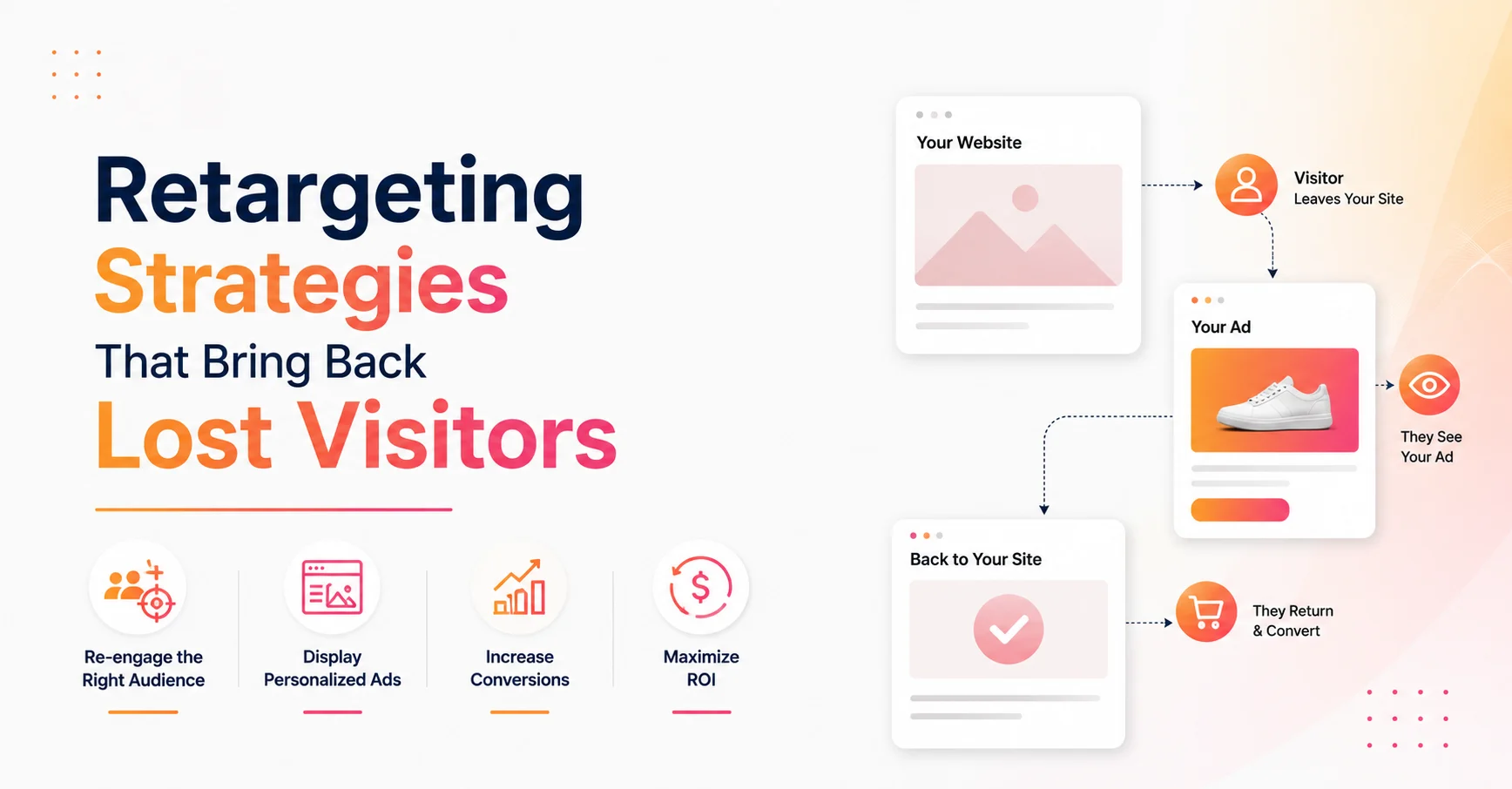
Remarketing brings back people who visited the website but did not convert the first time.
Local or service campaigns help businesses capture nearby buyers, especially when geography matters.
Testing and cleanup should always have room in the budget. This covers new keyword tests, ad copy tests, landing page experiments, bid adjustments, and negative keyword cleanup.
Without testing, the campaign stays stuck. Without cleanup, the budget slowly leaks.
Where Should Most PPC Spend Go First?
Most small businesses should put the first serious share of PPC spend into high-intent search campaigns.
These are the keywords that show stronger buying intent.
For example:
“emergency plumber near me”
“PPC agency for small business”
“roof repair company in Dallas”
“book dental appointment near me”
“Google Ads management services”
These searches show more urgency than broad informational keywords. A person searching “how does PPC work” may be researching. A person searching “Google Ads agency for small business” may be comparing providers.
That difference matters.
Small budgets should not chase every possible keyword. They should start where the intent is strongest, then expand once the account has real conversion data.
For better results, the ad should also connect to a focused page built for conversion. If the page is weak, review these landing page best practices before increasing the budget.
Why Are CPA and ROAS Important for PPC Budget Planning?
CPA and ROAS show whether the campaign is worth scaling.
CPA = Total Ad Spend ÷ Total Conversions
If a business spends $1,500 and gets 30 leads, the CPA is:
$1,500 ÷ 30 = $50 per lead
That number only matters when compared with lead quality and close rate. If the sales team closes 1 in 5 leads, then 30 leads may create 6 customers.
If each customer is worth enough to cover the ad cost and still create profit, the campaign has room to grow.
ROAS = Revenue from Ads ÷ Ad Spend
If a campaign generates $12,000 from $3,000 in ad spend, the ROAS is:
$12,000 ÷ $3,000 = 4:1
That means the business made $4 for every $1 spent on ads.
For service businesses, CPA often matters more than ROAS in the early stage because revenue may happen after a sales call. For ecommerce, ROAS is usually easier to track directly.
The best PPC decisions use both.
Want to know whether your current CPA is too high? Talk to Varun Digital Media and get a clearer view of where your Google Ads budget is leaking.
How Can Small Businesses Make PPC More Cost-Effective?
Small businesses can make PPC more cost-effective by improving targeting, tracking, and conversion quality before increasing spend.
The first fix is usually negative keywords.
Negative keywords stop ads from showing on irrelevant searches. This is one of the fastest ways to reduce wasted clicks.
The second fix is landing page relevance.
If the ad promises “PPC services for small businesses”, the landing page should speak directly to small-business PPC problems. It should not send visitors to a generic digital marketing page with too many distractions.
The third fix is conversion tracking.
A business should know which campaigns are producing calls, forms, bookings, purchases, or qualified inquiries. Without tracking, budget decisions become guesswork.
The fourth fix is location and device review.
Some areas may spend heavily but convert poorly. Some devices may bring traffic but fewer leads. PPC optimization means shifting money toward what performs, not what merely attracts clicks.
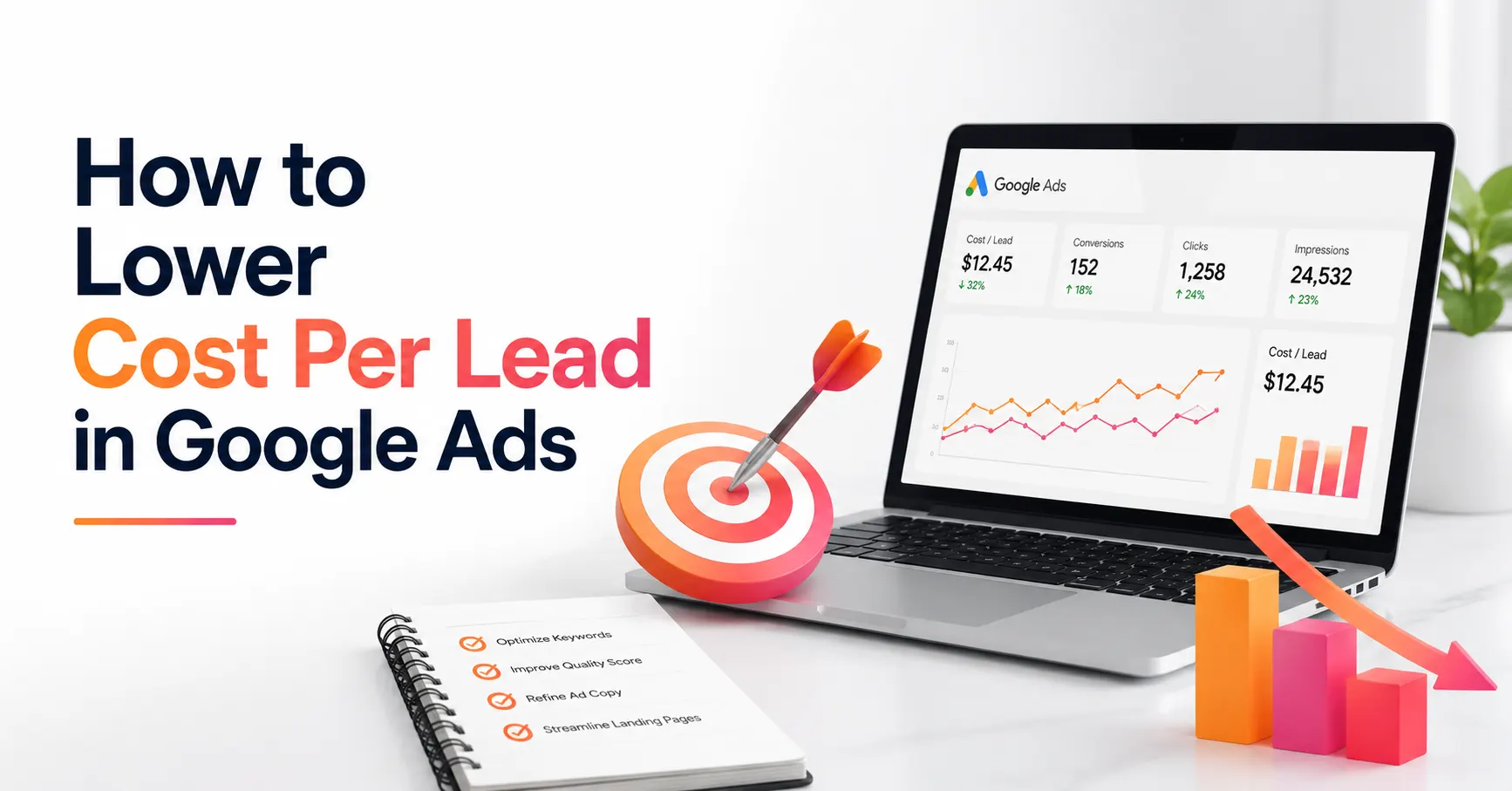
If lead costs are already rising, use this related guide on how to lower the cost per lead in Google Ads before adding more budget.
When Should You Increase Your PPC Budget?
A small business should increase its PPC budget when performance is stable and profitable.
Do not increase spending only because clicks are rising.
Increase budget when:
- CPA is within the target range
- Lead quality is strong
- Conversion tracking is accurate
- Search terms are relevant
- Landing pages are converting
- The sales team can handle more leads
- ROAS supports the business goal
Budget increases should be gradual. A sudden jump can change how quickly the campaign spends and may create unstable results.
A better approach is to increase the budget in stages, then review CPA, conversion rate, and lead quality before the next increase.
When Should You Reallocate PPC Spend?
You should reallocate PPC spend when one campaign is using budget but not producing enough qualified conversions.
Reallocation does not always mean reducing the total budget. It often means moving money from weak areas to stronger ones.
Shift spend when:
- One campaign has high clicks but few leads
- A location is spending without converting
- Search terms are too broad
- Remarketing is underfunded
- Brand campaigns are overfunded
- A campaign has a better CPA but a limited budget
- Landing page tests need more data
This is where many small businesses lose money. They keep funding old campaign structures because they were set up that way in the beginning.
PPC accounts should not be left alone. They need regular budget reviews.
What Should Be Reviewed Every Month?
Every small business should review PPC performance monthly before changing the budget.
The monthly review should include:
- CPA by campaign
- ROAS by campaign
- Conversion rate by landing page
- Search terms that wasted spend
- Negative keywords added
- Best-performing locations
- Worst-performing locations
- Device performance
- Lead quality feedback
- Budget-limited campaigns
This review shows where to scale, pause, fix, or test.
A campaign that looks expensive may actually produce the best leads. A campaign with cheap clicks may produce low-quality inquiries. The budget should follow business value, not surface-level numbers.
For businesses comparing paid and organic growth, this guide on paid search vs organic search can help decide where to invest next.
How Can Varun Digital Media Help With PPC Budget Allocation?
Varun Digital Media helps small businesses plan PPC budgets around leads, revenue, and measurable performance.
The team reviews campaign structure, keyword intent, tracking setup, CPA, ROAS, landing pages, and wasted ad spend. The goal is not just to run ads. The goal is to make every dollar work harder.
For small businesses, that means building campaigns that are focused, trackable, and easier to scale.
Whether the budget is $1,000, $3,000, $5,000, or higher, the strategy should answer three questions:
Where should the money go first?
Which campaigns deserve more budget?
Which areas should stop spending?
For stronger campaign performance, connect your ads with conversion-focused website design services that support speed, mobile experience, and lead generation.
Stop Wasting Your PPC Budget
Get a clear breakdown of where your ad spend is leaking and how to turn it into real leads and revenue.
FAQs
1. What is PPC budget allocation?
PPC budget allocation is the process of dividing ad spend across campaigns, keywords, locations, audiences, and testing areas based on business goals and performance data.
2. How much should a small business spend on Google Ads?
A small business should spend enough to collect meaningful data while staying within a profitable CPA range. The right budget depends on CPC, conversion rate, revenue goals, and customer value.
3. What is a good CPA for small business PPC?
A good CPA allows the business to acquire leads or customers profitably. It depends on margins, close rate, average sale value, and lifetime customer value.
4. How do you maximize a small PPC budget?
You can maximize a small PPC budget by targeting high-intent keywords, using negative keywords, improving landing pages, tracking conversions, and reallocating spend based on CPA and ROAS.
5. Should small businesses use remarketing?
Yes. Remarketing helps bring back visitors who already showed interest but did not convert. It is useful when the website has enough traffic and clear audience segments.
6. What is better for PPC planning: CPA or ROAS?
Service businesses often rely more on CPA because leads may close later through sales calls. Ecommerce businesses usually track ROAS more directly. Many businesses should use both.
Published: July 9th, 2026