Publishing random blogs is no longer enough to win search visibility.
Google has become better at understanding topics, not just keywords. AI search tools also look for connected, reliable, well-structured content that answers a user’s main question and the follow-up questions around it.
That is where content cluster SEO becomes important.
A content cluster helps your website organize related content around one core topic. Instead of writing separate articles that compete with each other, you build a connected system of pillar pages, cluster pages, internal links, and supporting resources. This helps users explore a topic easily and helps search engines understand your expertise.
For businesses, agencies, SaaS brands, healthcare providers, local service companies, and B2B websites, content clusters can improve topical authority seo, reduce keyword cannibalization, strengthen internal linking seo, and create a better path from education to conversion.
Table of Contents
What Are Content Clusters in SEO?
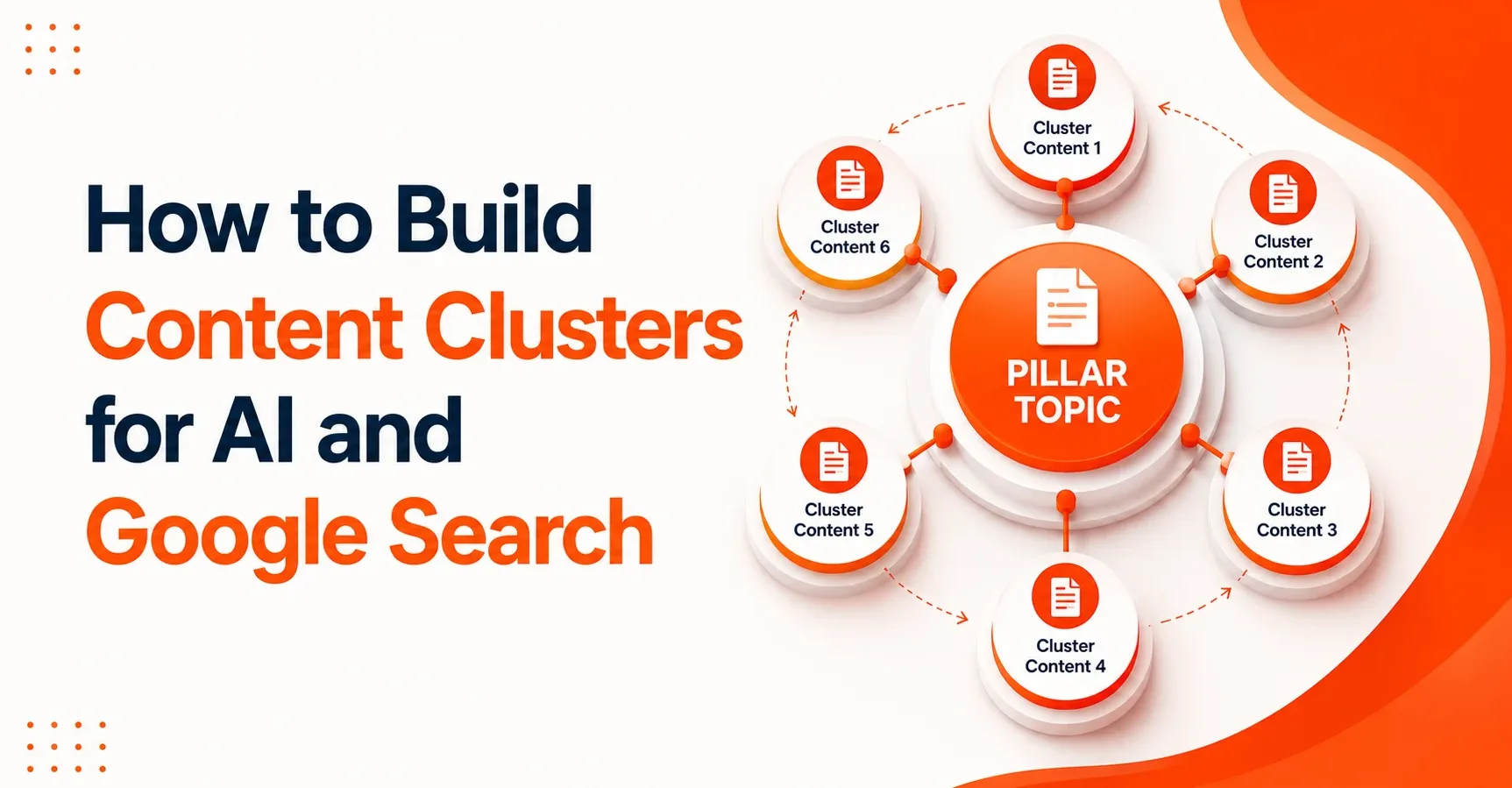
Content clusters are groups of related pages built around one main topic. A cluster usually has one main pillar page and several supporting cluster pages.
The pillar page covers the broad topic. The cluster pages cover specific subtopics in more depth. Internal links connect these pages so users and search engines can clearly understand how the content is related.
For example, if the main topic is “cloud phone system,” the pillar page may explain what a cloud phone system is, how it works, its benefits, costs, features, and use cases. Supporting cluster pages may cover VoIP vs landline, cloud PBX, small business phone systems, call routing, business texting, contact center features, and implementation steps.
Together, these pages form an seo content hub.
This structure works better than isolated blog publishing because every page supports the larger subject. It also makes the website easier to crawl, easier to navigate, and easier to trust.
Why Content Clusters Matter for AI and Google Search
Search behavior has changed. Users are not always typing short keywords anymore. They ask full questions, compare options, and expect direct answers. AI search tools also summarize information from multiple sources and look for clear, well-supported explanations.
That makes topic clusters more valuable.
A strong cluster gives Google and AI systems more context about your website. It shows that your site does not just have one article on a subject. It has depth, structure, supporting pages, and logical internal links.
Content clusters help with:
- Better topical authority
- Clearer seo site structure
- Stronger internal linking
- More keyword coverage
- Lower content overlap
- Higher user engagement
- Better visibility for question-based searches
- More opportunities to appear in AI-generated answers
The goal is not to publish more content for the sake of volume. The goal is to build authority around topics that matter to your audience and your business.
Content Clusters vs Content Silo SEO
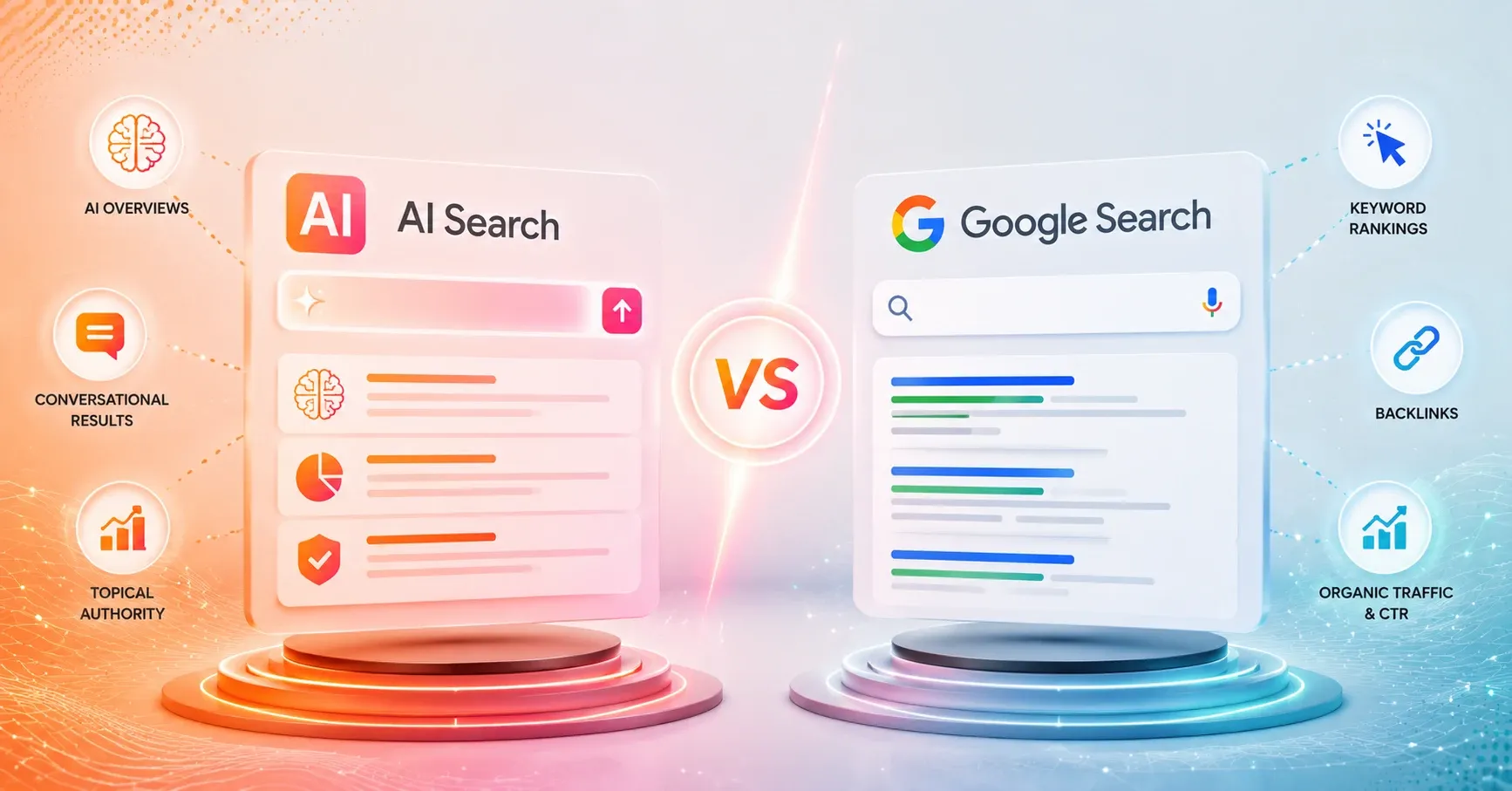
Content silo seo and content clusters are closely related, but they are not exactly the same.
A content silo usually groups content into a strict category structure. For example, all payroll blogs may sit under one payroll category, and all attendance blogs may sit under another category. This improves organization, but it can become too rigid if topics overlap.
Content clusters are more flexible. They focus on topic relationships, user intent, and internal links. A cluster can connect blogs, service pages, guides, FAQs, case studies, comparison pages, and landing pages if they support the same topic.
Here is the simple difference:
| Element | Content Silo SEO | Content Clusters SEO |
| Main focus | Website category structure | Topic depth and relationships |
| Linking style | Mostly within one silo | Pillar, cluster, and related internal links |
| Best use | Large websites with fixed categories | Authority building SEO and AI visibility |
| Flexibility | More rigid and structured | More flexible and intent-based |
| Goal | Organize website content | Build topical authority and search relevance |
A modern semantic seo strategy can use both. Use silos to organize your website and clusters to build authority around priority topics.
What Is a Pillar Page in SEO?
Pillar page seo is the foundation of a content cluster.
A pillar page is a broad, comprehensive page that covers the main topic and links to deeper supporting pages. It should not try to answer every detail in one place. Instead, it should give readers a complete overview and guide them to more specific resources.
A good pillar page should include:
- A clear definition of the main topic
- Benefits and use cases
- Subtopics users commonly search for
- Simple explanations for beginners
- Expert insights for decision-makers
- Links to related cluster pages
- FAQs and conversion-focused CTAs
For example, a pillar page on “SEO content strategy” may link to cluster pages on keyword research, content clusters, semantic SEO, internal linking, content refreshes, blog optimization, EEAT, and AI search visibility.
The pillar page becomes the central hub. The cluster pages become the supporting proof.
How to Build Content Clusters for SEO
Building content clusters requires strategy before writing. If the planning is weak, the final content will feel scattered.
Follow this process.
1. Choose a Core Topic That Supports Business Goals
Start with business relevance. Do not build a cluster just because a keyword has search volume.
Ask:
- What services or products do we want to be known for?
- What problems do our customers repeatedly ask about?
- Which topics influence buying decisions?
- Which areas need stronger visibility in Google?
- Which topics can we explain better than competitors?
A content cluster should connect to revenue, authority, or trust. For example, an HRMS company should not build a large cluster around generic “office culture” unless it directly supports its payroll, attendance, HR analytics, or compliance offerings.
Better cluster topics may include:
- Payroll automation
- Leave management
- Attendance management
- HR analytics software
- Payroll compliance in India
- Employee self-service HRMS
Business alignment keeps the cluster focused and useful.
2. Create a Pillar Keyword and Topic Map
Once the core topic is selected, identify the main keyword for the pillar page. This is usually broader than the keywords used for supporting blogs.
For example:
- Pillar keyword: content clusters SEO
- Supporting topics: pillar page seo, internal linking seo, semantic seo strategy, topic clusters, seo content hub, content silo seo
The pillar keyword should have enough depth to support multiple articles. If the topic is too narrow, it will not need a full cluster. If it is too broad, the cluster will become messy.
A good cluster topic should be broad enough to support at least 8 to 15 useful pages, but focused enough to stay relevant.
3. Group Keywords by Search Intent
Do not create one page for every keyword variation. That leads to duplicate content and keyword cannibalization.
Instead, group keywords by search intent.
For example, these keywords can support one page because they share similar intent:
- content clusters SEO
- content clusters seo
- topic clusters
- seo content hub
But these may need separate pages:
- How to build content clusters
- Content clusters vs content silos
- Internal linking strategy for topic clusters
- How pillar pages improve SEO
- Semantic SEO strategy for AI search
Each page should answer one main intent clearly.
This is where many websites fail. They publish five similar blogs with slightly different titles. Google then has to decide which page is most relevant, and sometimes none of them perform well.
One intent should usually have one strong page.
4. Build the Pillar Page First
The pillar page gives the cluster direction.
A strong pillar page should act like a complete guide. It should explain the topic clearly, cover all major subtopics briefly, and link to deeper pages where readers can learn more.
A pillar page on content clusters may include sections like:
- What are content clusters?
- Why do topic clusters matter for SEO?
- How pillar pages work
- How cluster pages support authority
- How internal linking strengthens the cluster
- How semantic SEO improves AI visibility
- Content cluster examples
- Common mistakes
- Measurement and updates
Each section can point to a supporting article.
The pillar page should be easy to scan. Use short paragraphs, clear headings, a table of contents, and practical examples. Avoid stuffing every keyword into every section.
5. Write Cluster Pages That Go Deeper
Cluster pages are not thin supporting blogs. Each one should fully satisfy a specific search intent.
A cluster page should:
- Focus on one subtopic
- Answer the main question quickly
- Provide practical steps or examples
- Link back to the pillar page
- Link to related cluster pages
- Avoid repeating the same information from the pillar page
For example, a cluster page on “internal linking seo” should explain how to link pillar and cluster pages, where to place links, how to use anchor text, how often to link, and how to avoid orphan pages.
It should not repeat the entire pillar page on content clusters.
Think of the pillar as the map and the cluster pages as the detailed routes.
6. Use Internal Linking SEO the Right Way
Internal linking is what turns separate pages into a real content cluster.
At a basic level:
- The pillar page should link to every important cluster page.
- Every cluster page should link back to the pillar page.
- Related cluster pages should link to each other where useful.
- Anchor text should describe the page being linked.
- Important links should appear inside the main body, not only in sidebars or footers.
Do not use vague anchor text like “click here” or “read more” every time. Use descriptive anchor text such as “semantic SEO strategy,” “pillar page SEO guide,” or “internal linking for content clusters.”
Internal links help users continue learning. They also help search engines discover relationships between pages.
7. Add EEAT Signals Across the Cluster
EEAT means Experience, Expertise, Authoritativeness, and Trustworthiness. A content cluster should not look like a set of generic articles.
To strengthen EEAT, add:
- Author bios with real expertise
- Firsthand examples
- Case studies or screenshots
- Industry data where relevant
- Original frameworks
- Practical checklists
- Clear dates and update notes
- Transparent service or product connections
- FAQs based on real customer questions
For AI and Google Search, original insight matters. A cluster that only rewrites what competitors already said will not stand out.
If your agency has built clusters for SaaS, healthcare, telecom, payroll, or local businesses, use those lessons. If your sales team hears the same objections repeatedly, turn those objections into content. If your support team answers the same questions every week, build cluster pages around them.
That is how content becomes useful, not just optimized.
8. Build a Semantic SEO Strategy
Semantic SEO is about meaning, context, and relationships. It helps search engines understand the full topic, not just exact-match keywords.
A strong semantic seo strategy includes:
- Related terms
- Subtopics
- Entity coverage
- Definitions
- Comparisons
- Examples
- FAQs
- Use cases
- Step-by-step explanations
- Clear relationships between pages
For example, a content cluster about “business phone systems” should naturally include VoIP, PBX, cloud phone system, SIP trunking, call routing, UCaaS, AI receptionist, remote teams, customer support, and business continuity.
These connected terms help Google understand the topic depth.
Do not force keywords. Build natural coverage around the subject.
9. Design the SEO Content Hub for Users
An seo content hub should not feel like a blog archive. It should feel like a guided learning center.
A good hub page may include:
- A short introduction to the topic
- A featured pillar guide
- Categorized cluster articles
- Beginner, intermediate, and advanced sections
- FAQs
- Related service links
- Downloadable resources
- Case studies
- CTA blocks
For example, a digital marketing agency may create a hub for “AI Search Optimization” with sections for FAQ SEO, answer engine optimization, semantic SEO, content clusters, schema, Google AI Overviews, and content refresh strategies.
The hub should help users find the right content quickly. Better navigation improves engagement and supports authority building seo.
10. Avoid Common Content Cluster Mistakes
Content clusters fail when they are built only for keywords.
Avoid these mistakes:
1. Creating too many similar pages
If multiple blogs answer the same question, merge them or clarify their purpose.
2. Publishing without internal links
A blog without links is an isolated page, not part of a cluster.
3. Making the pillar page too shallow
A weak pillar page cannot support topical authority.
4. Using exact-match anchors everywhere
Anchor text should be descriptive, but natural.
5. Ignoring conversion paths
Educational content should lead users toward the next step when appropriate.
6. Forgetting to update old pages
Clusters need maintenance. Search intent, examples, competitors, and AI search behavior change.
7. Building clusters around irrelevant topics
Traffic without business value does not help growth.
How to Measure Content Cluster Performance
Measure the cluster as a system, not only as separate blogs.
Track:
- Organic traffic by cluster
- Keyword growth across the topic
- Internal link clicks
- Rankings for pillar and cluster pages
- Impressions in Google Search Console
- Engagement time
- Assisted conversions
- Leads from related content
- Pages with declining traffic
- Duplicate or competing pages
A cluster may not show results from one page immediately. The value often builds as Google crawls the structure, understands the relationships, and sees users engaging with multiple pages.
Review clusters every quarter. Add missing pages, refresh outdated sections, improve internal links, and merge weak overlapping content.
Example Content Cluster Structure
Here is a simple cluster for the topic “Content Clusters SEO.”
Pillar Page:
How to Build Content Clusters for AI and Google Search
Cluster Pages:
- What Is a Pillar Page in SEO?
- Content Clusters vs Content Silo SEO
- Internal Linking SEO for Topic Clusters
- Semantic SEO Strategy for AI Search
- How to Build an SEO Content Hub
- Topical Authority SEO: What It Means and How to Build It
- How to Avoid Keyword Cannibalization in Content Clusters
- Content Cluster Examples for B2B Websites
- How to Measure Content Cluster Performance
- How AI Search Changes SEO Content Strategy
This structure gives users and search engines a complete path through the subject.
Final Thoughts
Content clusters are not just an SEO trend. They are a smarter way to organize expertise.
Google wants helpful, reliable content. AI search experiences need clear, structured, connected information. Users want answers that are easy to find, easy to trust, and easy to act on.
That is why content clusters SEO matters.
When you build a strong pillar page, support it with useful cluster pages, connect everything through internal links, and add real EEAT signals, your website becomes easier to understand and harder to ignore.
The brands that win search visibility will not be the ones publishing the most blogs. They will be the ones building the clearest authority around the topics their audience actually cares about.
Ready to Build a High-Performing Content Cluster?
From topic research and pillar pages to internal linking and AI-ready content, we'll help you create a content strategy that drives sustainable organic growth.
FAQs
1. What are content clusters in SEO?
Content clusters are groups of related pages built around one main topic. They usually include a pillar page, supporting cluster pages, and internal links that connect the content together.
2. How do content clusters improve topical authority SEO?
Content clusters improve topical authority seo by showing search engines that a website covers a subject in depth. The more useful, connected, and relevant the pages are, the stronger the authority signals become.
3. What is the difference between pillar pages and cluster pages?
A pillar page covers a broad topic and links to supporting pages. Cluster pages go deeper into specific subtopics and link back to the pillar page.
4. Are content clusters useful for AI search?
Yes. Content clusters help AI search systems understand topic relationships, extract clear answers, and identify useful sources. They also improve user experience by organizing information around real questions.
5. How many pages should a content cluster have?
A strong content cluster often has one pillar page and 8 to 15 supporting pages. The exact number depends on the topic depth, business goals, and search demand.
6. How does internal linking help content clusters?
Internal linking connects the pillar page, cluster pages, and related content. It helps users navigate the topic and helps search engines understand page relationships.
7. Can Varun Digital Media help build SEO content clusters?
Yes. Varun Digital Media can plan content clusters, create pillar pages, improve internal linking, build SEO content hubs, and optimize content for Google Search and AI search visibility.
Published: June 30th, 2026